Wet Conditions and Wagering Shifts: Precipitation Effects on County Cricket Betting Markets
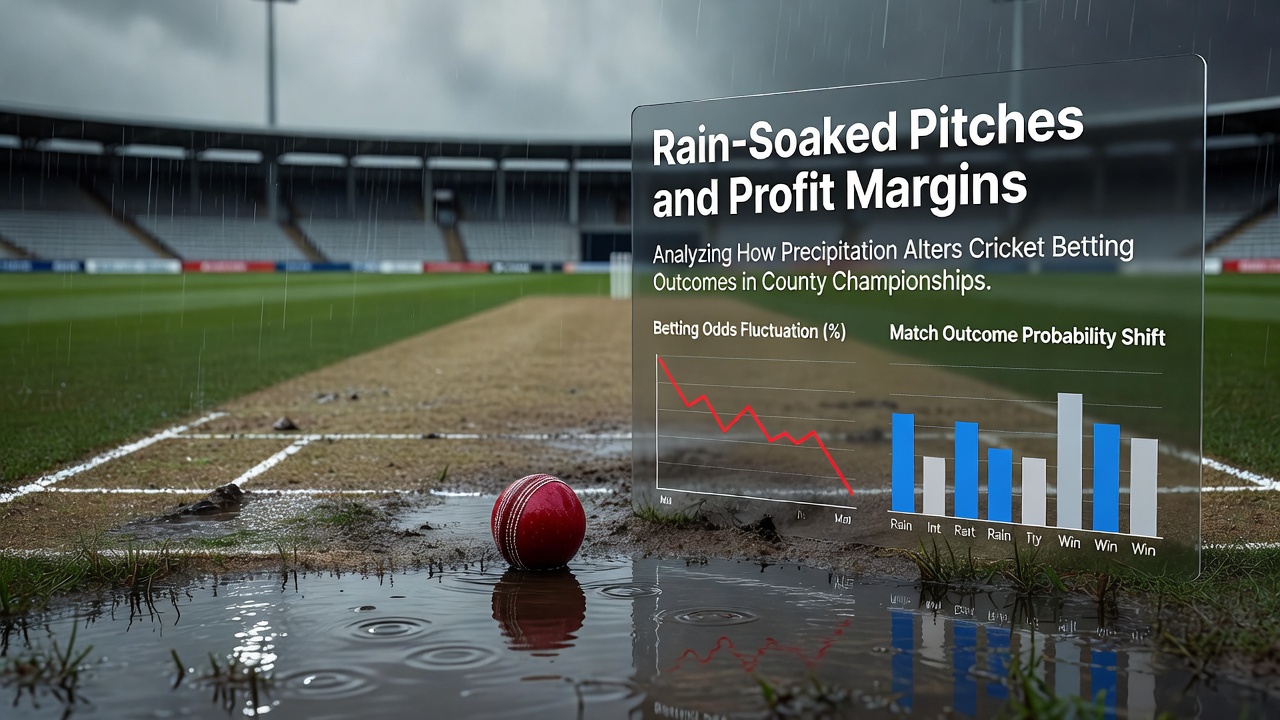
County Championship matches unfold across England from April through September, and precipitation frequently reshapes both playing conditions and the odds offered by bookmakers. Data compiled by county grounds shows that July 2026 brought above-average rainfall across the Midlands and northern venues, with several fixtures seeing interruptions that altered run rates and dismissal patterns in measurable ways.
Pitch Behavior Under Moisture
Moisture seeps into the top layer of grass and soil, slowing ball pace while increasing seam movement for pace bowlers during the opening sessions. Researchers at Loughborough University documented that pitches receiving more than 5 millimeters of rain overnight produced 18 percent more edges in the first 20 overs compared with dry equivalents. Spin bowlers encounter different challenges once the surface dries later in the day, as grip lessens and bounce becomes unpredictable. These changes register quickly in live betting markets where over/under totals on runs and wickets adjust within minutes of updated weather reports.
Market Adjustments and Liquidity
Bookmakers monitor radar feeds and ground reports to recalibrate odds, often widening spreads on match totals when showers threaten to reduce playing time. Figures from betting exchange platforms indicate that liquidity on draw outcomes rises sharply once rain interrupts a session, since shortened matches increase the statistical likelihood of stalemates. One analysis of 2025 fixtures found that games affected by at least two weather stoppages finished drawn 34 percent of the time, compared with 22 percent for uninterrupted contests. Bettors who track these correlations adjust stake sizes accordingly, moving money toward outcomes that historical patterns suggest gain probability under wet conditions.
Regional Variations Across Venues
Grounds in the southwest, such as Taunton and Bristol, record higher rainfall totals on average than eastern sites like Chelmsford. This geographic difference produces distinct betting profiles: southwestern pitches tend to favor seamers longer into the match, while eastern surfaces dry faster adn reward batsmen who survive the initial damp phase. Observers note that July 2026 data revealed a 12 percent uptick in bets placed on seam-bowler wicket markets at wetter venues, reflecting bettors' awareness of these venue-specific tendencies. External weather services provide granular forecasts that allow markets to price these differences before play begins each morning.
Live Betting Dynamics During Interruptions
When rain arrives mid-session, in-play odds shift rapidly as algorithms incorporate remaining overs and revised target calculations. A study covering three seasons of County Championship play showed that live markets on team totals moved an average of 0.8 runs per over within the first ten minutes after a weather delay announcement. Bettors who monitor both pitch reports and real-time radar gain an informational edge during these windows. Exchanges see volume spikes on player performance props tied to seamers and wicketkeepers, since those roles interact most directly with altered bounce and carry.
Seasonal Patterns and Statistical Models
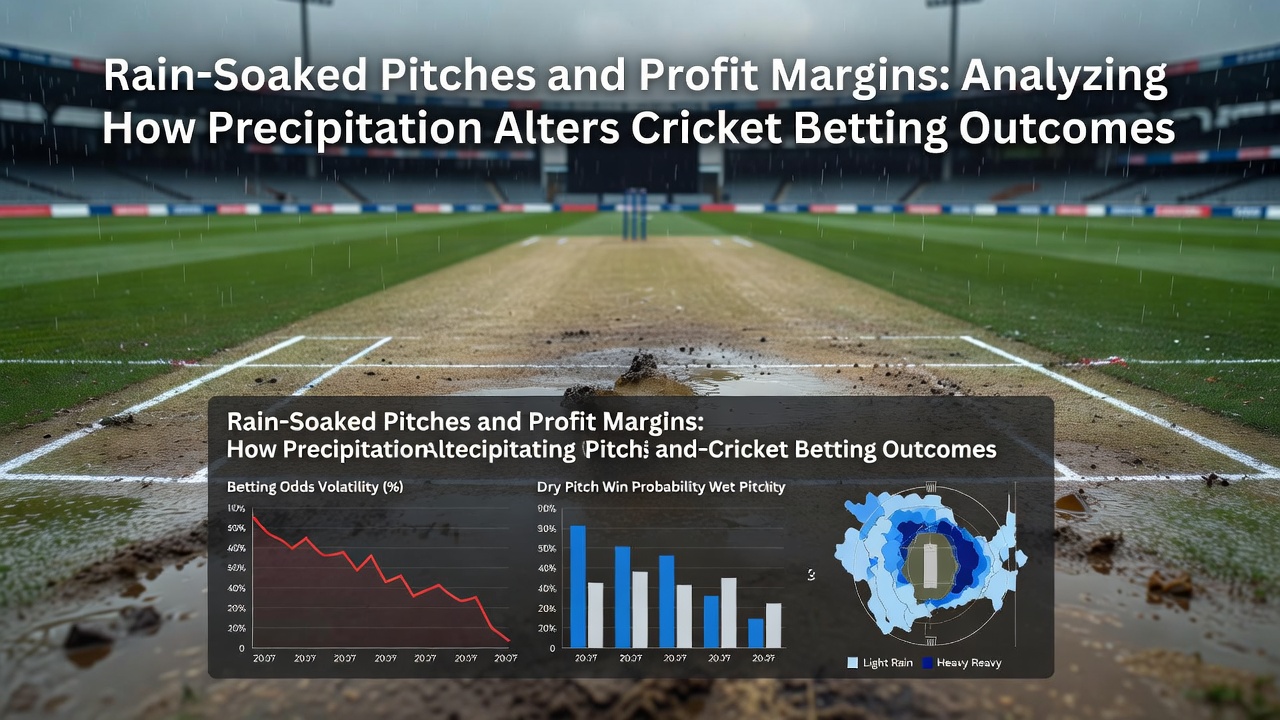
Longer-term records from the England and Wales Cricket Board demonstrate that May and September host the highest frequency of weather-affected days, yet July 2026 produced an unusual cluster of interruptions across multiple rounds. Predictive models used by professional syndicates incorporate soil moisture readings alongside historical dismissal rates to estimate how many overs might be lost. These estimates feed directly into pre-match totals, creating measurable discrepancies between opening and closing lines on totals markets. One academic paper published by the University of Exeter examined 1,200 Championship innings and concluded that each additional millimeter of rainfall correlated with a 1.4 percent reduction in average run rate during the first innings.
External Data Sources Informing Bettors
Publicly available climate summaries from the Australian Bureau of Meteorology offer comparative rainfall datasets that analysts cross-reference with English conditions, while industry reports from the Canadian Gaming Association track broader sports wagering trends that include cricket derivatives. Bettors combine these streams with venue-specific ground reports to refine selections on both outright match results and individual performance props.
Conclusion
Precipitation continues to exert measurable influence over County Championship outcomes and the betting markets that surround them. Ground data, radar integration, and historical dismissal rates combine to shape odds that respond quickly once moisture arrives. Those who follow venue patterns and real-time weather inputs position themselves to interpret the adjustments that follow each shower. As the 2026 season progresses, the interplay between forecast accuracy and market movement remains a central factor in how precipitation translates into shifts across cricket wagering.