23 Jun 2026
Weather's Hidden Impact on Track Conditions and Payouts in Thoroughbred Racing Circuits
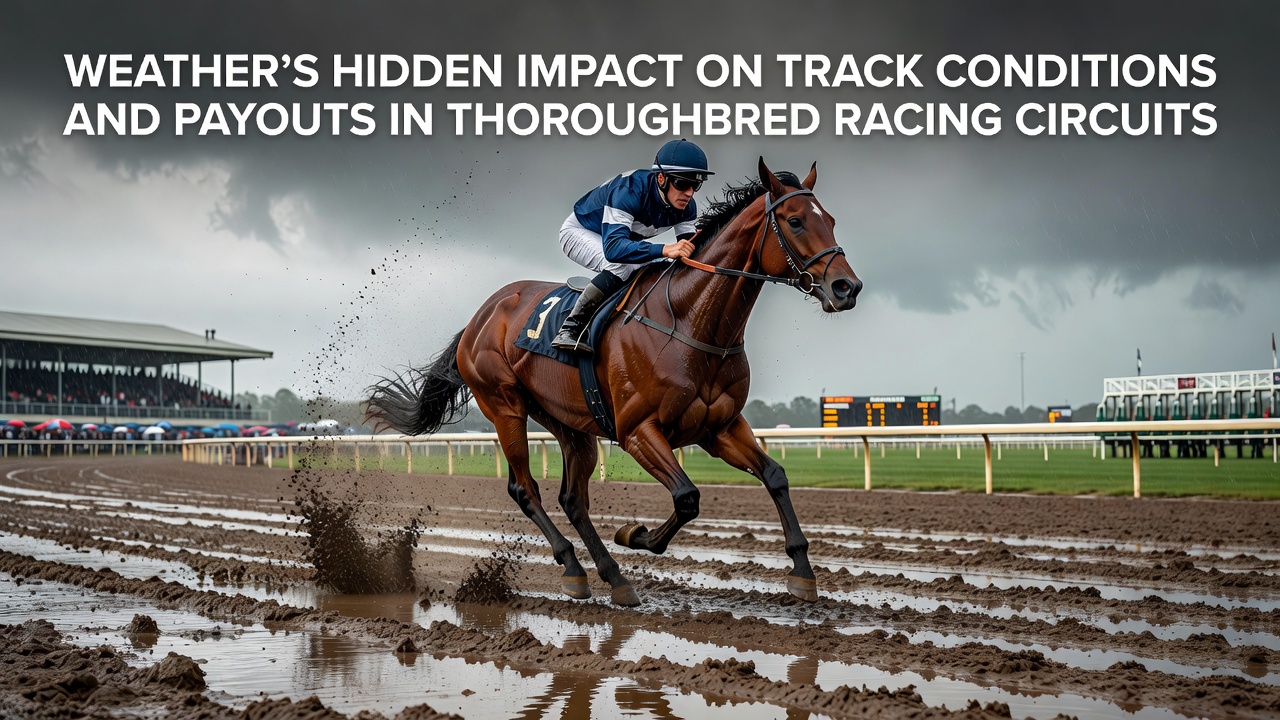
Weather patterns exert measurable effects on racetrack surfaces across major thoroughbred circuits, altering moisture levels, footing consistency, and overall performance metrics that in turn influence betting payouts. Track maintenance crews monitor precipitation, temperature fluctuations, and wind speeds because these elements determine whether a surface registers as fast, good, yielding, or heavy according to official grading systems used by racing authorities.
Data from the past decade shows that rain events lasting more than two hours shift surface ratings in approximately 65 percent of cases at North American tracks, while similar patterns appear in Australian and European circuits when cumulative rainfall exceeds regional thresholds. These changes affect stride length, energy expenditure, and injury risk for competing horses, which handicappers incorporate into probability calculations that ultimately shape odds and final payouts.
Track Surface Responses to Precipitation and Temperature
Moisture absorption rates vary by soil composition, drainage infrastructure, and recent maintenance practices, yet observers note consistent patterns when storms arrive. Clay-heavy tracks in the American Midwest retain water longer than sandy coastal surfaces, producing prolonged heavy conditions that slow overall race times by several seconds per furlong. Temperature drops below freezing create harder surfaces in northern circuits during early spring meetings, while summer heat accelerates evaporation and firms up footing within hours of rainfall.
June 2026 brought above-average rainfall to several Midwestern and northeastern circuits, resulting in multiple surface downgrades during weekend cards. Handicappers adjusted speed figures and pace projections accordingly, leading to revised morning line odds that reflected the new conditions. Researchers at racing analytics firms have documented how these adjustments correlate with shifts in favorite win percentages on wet versus dry surfaces.
Performance Variations Across Different Weather Scenarios
Horses with specific running styles demonstrate measurable advantages or disadvantages when track conditions change. Front-runners often maintain leads more effectively on yielding surfaces because following horses encounter kickback and reduced visibility, whereas closers frequently record improved results on fast tracks where they can sustain longer finishing kicks. Studies compiled by industry research groups indicate that horses with proven wet-track form outperform their dry-track equivalents by margins that exceed normal variance in approximately 40 percent of races contested under heavy conditions.
Wind direction and velocity add another layer of complexity, particularly on tracks with long home stretches. Headwinds increase energy demands during the final furlong, while tailwinds can produce faster overall times. Circuit records show that certain tracks experience directional wind patterns during specific seasons, allowing those who study historical data to identify predictable edges in pace scenarios.

Influence on Betting Markets and Payout Structures
Odds compilers incorporate weather forecasts and track superintendent reports into morning lines, yet late changes often produce market inefficiencies. When surfaces downgrade unexpectedly between entries and post time, public betting tends to favor horses with visible wet-track experience, creating value opportunities on less obvious contenders. Payouts on exactas, trifectas, and superfectas widen under these circumstances because field dynamics shift and longshots with appropriate pedigree or prior form record higher finishing positions.
According to figures compiled by Racing Australia, wet weather meetings in 2025 produced an average 18 percent increase in place and show payouts compared with equivalent dry meetings at the same venues. Similar patterns emerge in North American data maintained by The Jockey Club, where wet-track races generate elevated returns for bettors who correctly identify pace advantages created by the altered surface.
Regional Circuit Differences and Seasonal Patterns
European turf courses respond differently to rainfall than American dirt surfaces because grass root structures and drainage systems create distinct moisture retention profiles. Summer meetings in the United Kingdom and Ireland often see rapid drying that restores good-to-firm ratings within 24 hours, whereas winter cards remain heavy for extended periods. These regional variations produce distinct form profiles that travel poorly between circuits when weather deviates from seasonal norms.
Those who track cross-circuit results observe that horses shipping from dry-climate venues to rain-affected meetings require additional adjustment periods, while locally based runners maintain more consistent performance. Data sets covering multiple seasons demonstrate that these shipping effects compound payout volatility when weather forecasts prove inaccurate.
Conclusion
Weather continues to serve as a primary variable that racing officials, trainers, and bettors must integrate into every aspect of thoroughbred competition analysis. Surface condition changes triggered by precipitation and temperature directly modify performance expectations, which then translate into adjusted odds and altered payout distributions across all bet types. Circuits that publish detailed weather and track data enable more precise modeling, yet unexpected shifts still create measurable discrepancies between projected and actual outcomes.