The Domino Effect of International Breaks in Domestic Football Leagues
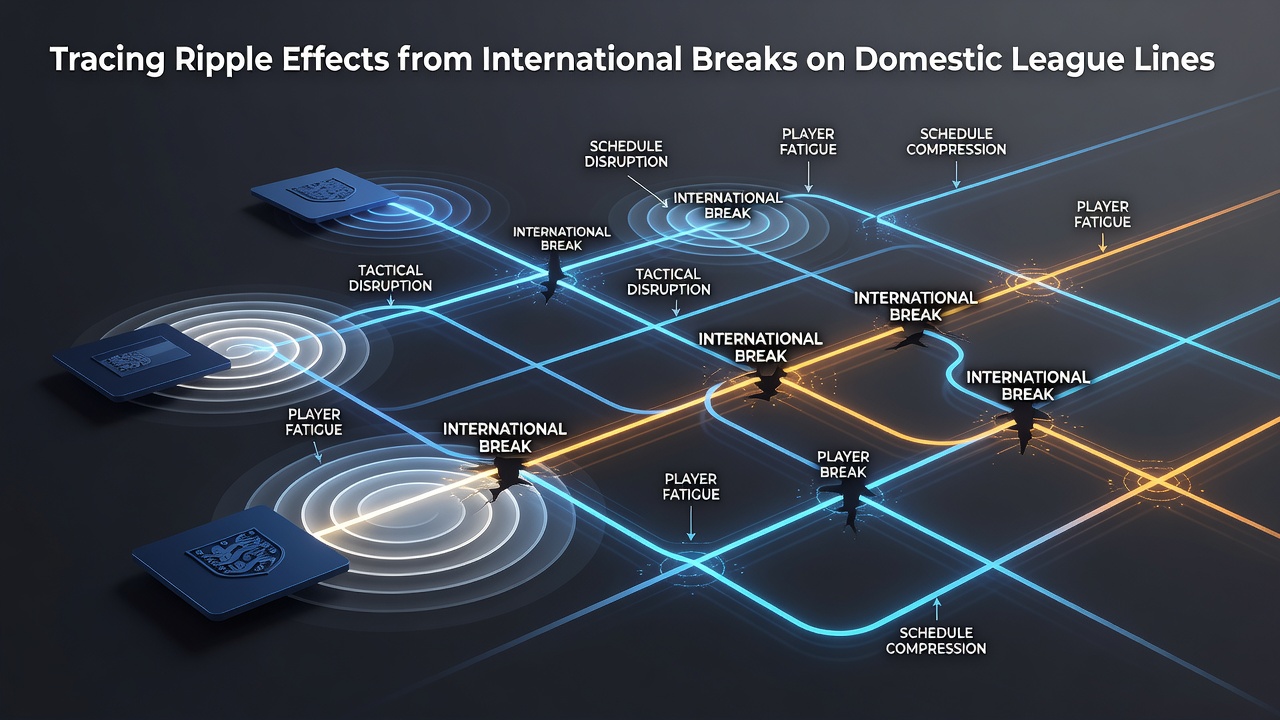 International breaks create distinct shifts in domestic league patterns because national team call-ups pull key players away from their clubs for extended periods. Clubs in major European competitions often see immediate changes in squad availability once fixtures resume, and these interruptions influence match outcomes across multiple rounds. Data from the 2024-2025 season showed that teams with four or more starters on international duty recorded win rates dropping by an average of 12 percent in their first league game back. Coaches adjust training loads and tactical setups when star performers return carrying accumulated fatigue from travel and matches. Medical staff monitor muscle recovery timelines that extend beyond the official break window, which leads to rotation decisions that alter starting lineups for several weeks. Observers note that defensive organization suffers most because central defenders and holding midfielders rarely train together during absences, resulting in higher concession rates upon return.
Player Workload and Injury Patterns
Studies tracking elite players across top-five leagues reveal elevated soft-tissue injury risks in the two weeks following international windows. Researchers at the University of Leuven compiled GPS and medical data over three seasons and found hamstring strains increased by 18 percent for players logging more than 300 minutes with their national sides. Clubs respond by shortening individual sessions and introducing recovery protocols that include cryotherapy and modified gym work.
July 2026 brings added complexity because World Cup qualifiers overlap with pre-season preparation for several confederations. South American and African players face long-haul flights immediately after domestic campaigns end, which compresses rest periods before clubs begin friendlies and early training blocks. European medical teams report higher baseline fatigue markers entering the new campaign when these schedules collide.
Form Fluctuations Across Leagues
Premier League sides with heavy international representation often experience a dip in expected goals during post-break fixtures. Opta records from recent campaigns indicate that Manchester City and Liverpool posted lower non-penalty expected goal differentials in the three matches after September and November windows compared with mid-season averages. Meanwhile, squads relying on domestic-only players maintain steadier outputs because their training continuity remains unbroken.
Similar trends appear in Serie A and Bundesliga matches where mid-table clubs gain temporary advantages against opponents returning multiple starters. One study of 240 fixtures across 2023 and 2024 showed that teams missing fewer than two regular starters won 9 percent more often than their season-long average when facing sides with four or more absentees.
Betting Market Adjustments
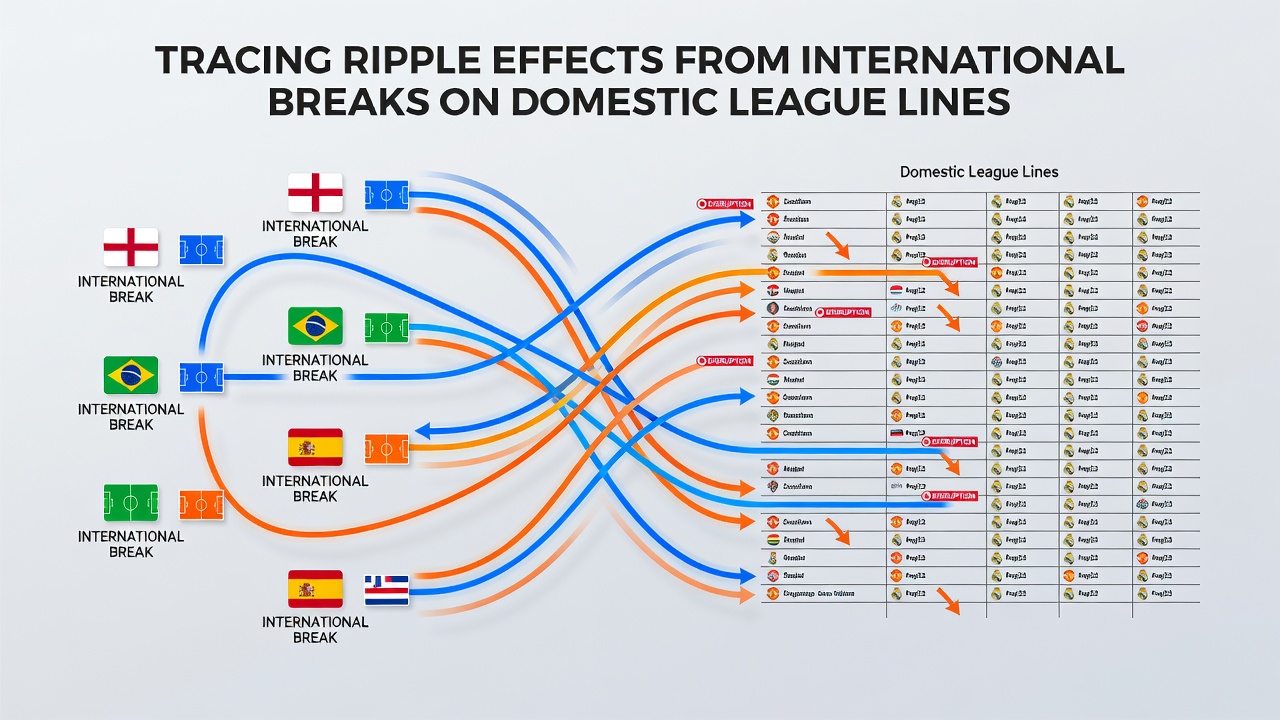
Bookmakers widen or tighten handicap lines once lineups become clearer following international breaks. Sharp bettors track early team news and travel reports to identify value before markets fully incorporate recovery data. In Ligue 1, where several clubs field large numbers of African and South American players, goal totals frequently shift lower in the first round after a break because attacking cohesion takes longer to restore.
Asian handicap markets reflect these patterns through quarter-goal movements that favor underdogs when favorites return depleted squads. Data compiled by European betting exchanges shows liquidity increases on these matches as syndicates place larger positions once confirmed lineups emerge.
Strategic Club Responses
Top clubs now maintain dedicated data analysts who model post-break performance curves using historical GPS, heart-rate variability, and match-minute inputs. These models help managers decide which players to rest in training or start on the bench. Some Premier League sides have begun scheduling lighter midweek sessions during international breaks even for non-called-up players to keep collective rhythms intact.
Smaller clubs sometimes benefit from the disruption because they field fewer national team regulars and therefore maintain higher training consistency. Championship and Eredivisie sides have recorded improved results against promoted or relegated opponents in the immediate aftermath of breaks when the larger clubs struggle with integration.
Longer-Term League Implications
Over a full season the cumulative effect of multiple breaks influences title races and relegation battles. Teams that rotate effectively during congested periods preserve points totals better than those relying on the same core group. League tables in April and May often show separation traceable to how clubs navigated the October, November, and March windows earlier in the campaign.
Conclusion
International breaks continue to reshape domestic league lines through measurable changes in fitness, tactics, and results. Clubs that plan rotations and recovery around these pauses limit negative swings, while markets adjust odds to reflect the altered probabilities. As schedules intensify ahead of 2026, the patterns traced from prior windows will guide preparation across every major competition.