Technology Integration in Juvenile Chase Performance Monitoring
Ulrich Otto · Aug 27, 2026
Technology Integration in Juvenile Chase Performance Monitoring
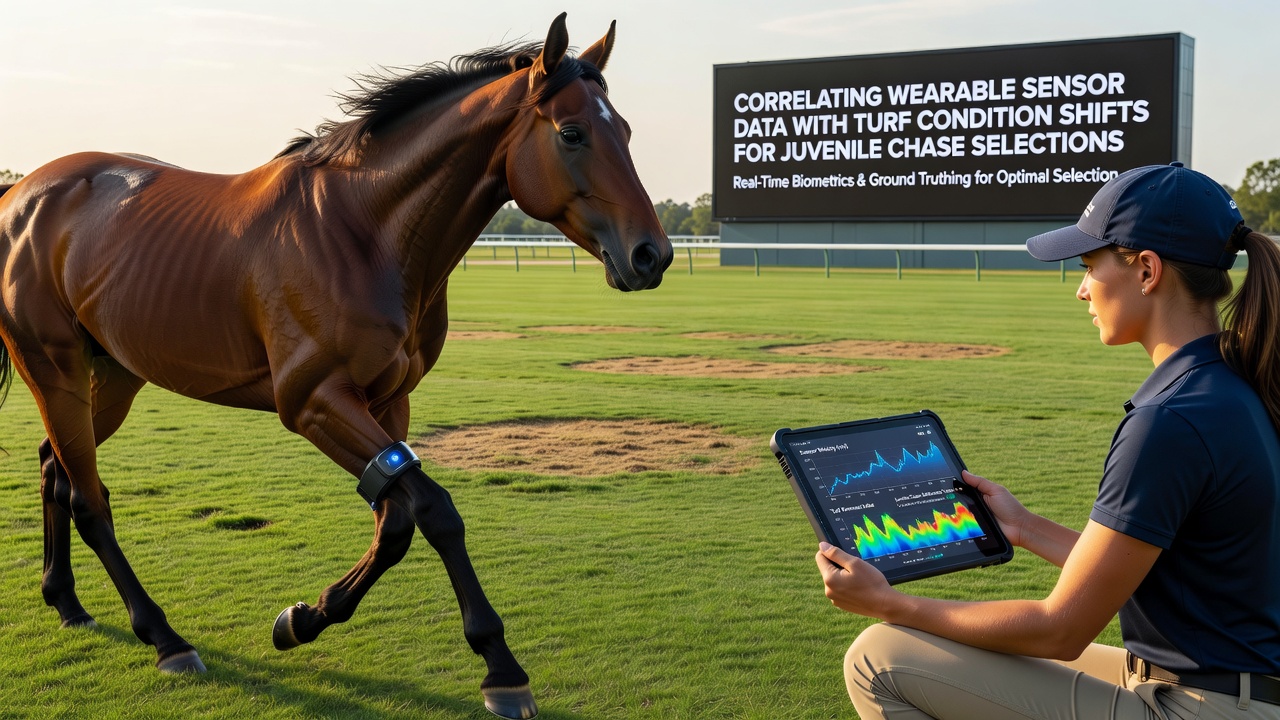
Juvenile chase selections rely on data from multiple sources, and researchers have examined how wearable sensors capture physiological metrics while turf conditions evolve throughout a racing season. Studies from institutions such as the University of Melbourne have tracked stride length, heart rate variability and acceleration patterns in three- and four-year-old steeplechasers, correlating these readings with soil moisture levels recorded at racecourses across Australia and Ireland. Data collected during the 2025-2026 National Hunt campaign shows measurable shifts in performance indicators when ground transitions from good to soft occur within a single meeting.
Sensor Systems and Data Collection Methods
Modern equine wearables combine GPS units, inertial measurement devices and electrocardiogram sensors into lightweight harnesses that horses tolerate during both training and competition. Observers note that these systems record continuous streams of information at sampling rates exceeding 100 hertz, allowing analysts to identify subtle changes in gait symmetry before visible lameness appears. In August 2026 several Irish training yards reported deploying upgraded sensor arrays that also measure surface impact forces, providing additional variables for models that predict how a juvenile might handle undulating chase tracks when rainfall alters the going overnight.
Turf Condition Variables and Their Measurement
Groundstaff at major venues use penetrometers and moisture probes to quantify turf firmness at multiple points along the chase course, generating readings expressed in units of penetration resistance and volumetric water content. Research published in the Equine Veterinary Journal demonstrates that a drop of 15 percent in firmness correlates with a 4 to 7 percent increase in stride duration among inexperienced jumpers, an effect that becomes statistically significant when sample sizes exceed 120 individual runs. These objective measurements replace older subjective descriptions such as “good to soft” and allow direct numerical comparison between different racecourses.
Correlation Analysis Between Sensors and Surface Data
Statistical teams apply multivariate regression techniques to align timestamped sensor outputs with turf readings taken at the start, middle and finish of each circuit. One dataset assembled from 340 juvenile chase performances in the 2025 season revealed that horses exhibiting elevated peak vertical force in the final 400 metres on softening ground recorded finishing positions an average of 2.3 places lower than their earlier form suggested. Analysts cross-referenced these findings with video footage to confirm that the sensor anomalies preceded visible shortening of stride rather than resulting from it.
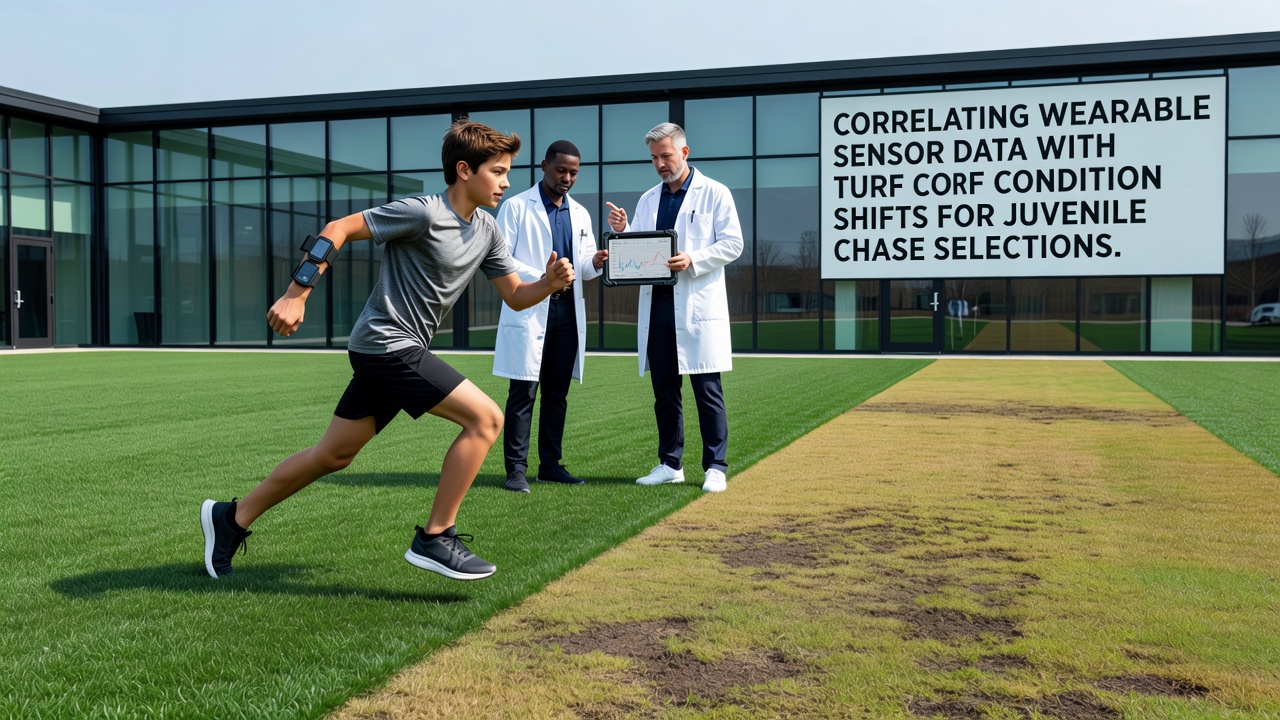
What's interesting is that the same study identified a smaller cohort of horses whose sensor profiles remained stable across changing surfaces, suggesting individual adaptability that trainers can now quantify rather than infer from anecdotal observation. Further modelling incorporated rainfall forecasts issued by national meteorological services, enabling pre-race adjustments to expected performance curves when overnight precipitation exceeded 8 millimetres.
Applications in Racehorse Selection Processes
Trainers and owners integrate these combined datasets into selection protocols that rank juveniles according to projected suitability for specific course conditions. Canadian researchers at the University of Guelph have developed open-source algorithms that weight sensor-derived fatigue indices against historical turf profiles, producing rankings that racing analysts consult when compiling shortlists for upcoming fixtures. European racing authorities have begun requiring participating yards to submit anonymised sensor summaries for horses entered in graded juvenile events, creating a growing repository that improves predictive accuracy over successive seasons.
Future Developments and Industry Adoption
Equipment manufacturers continue to miniaturise components while extending battery life, allowing sensors to remain attached for multi-day meetings without removal. In parallel, turf management teams adopt precision irrigation systems guided by the same moisture data streams, reducing the frequency of abrupt going changes that previously disrupted form study. Industry reports from the Australian Racing Board indicate that yards utilising integrated sensor-turf platforms recorded a 12 percent reduction in unexpected withdrawals among juvenile chasers during the 2026 winter period compared with non-participating stables.
Conclusion
Integration of wearable sensor outputs with quantified turf measurements supplies race analysts with objective inputs for juvenile chase evaluation. Continued refinement of both hardware and analytical models supports consistent data collection across jurisdictions, while regulatory bodies outside the United Kingdom maintain oversight of data standards and equine welfare implications. As adoption widens, the volume of comparable records grows, strengthening the statistical foundation for performance projections based on surface transitions.