17 May 2026
Rhythm Disruptions: Late-Season Travel Fatigue and Shifts in Goal Expectancy for Midweek Fixtures
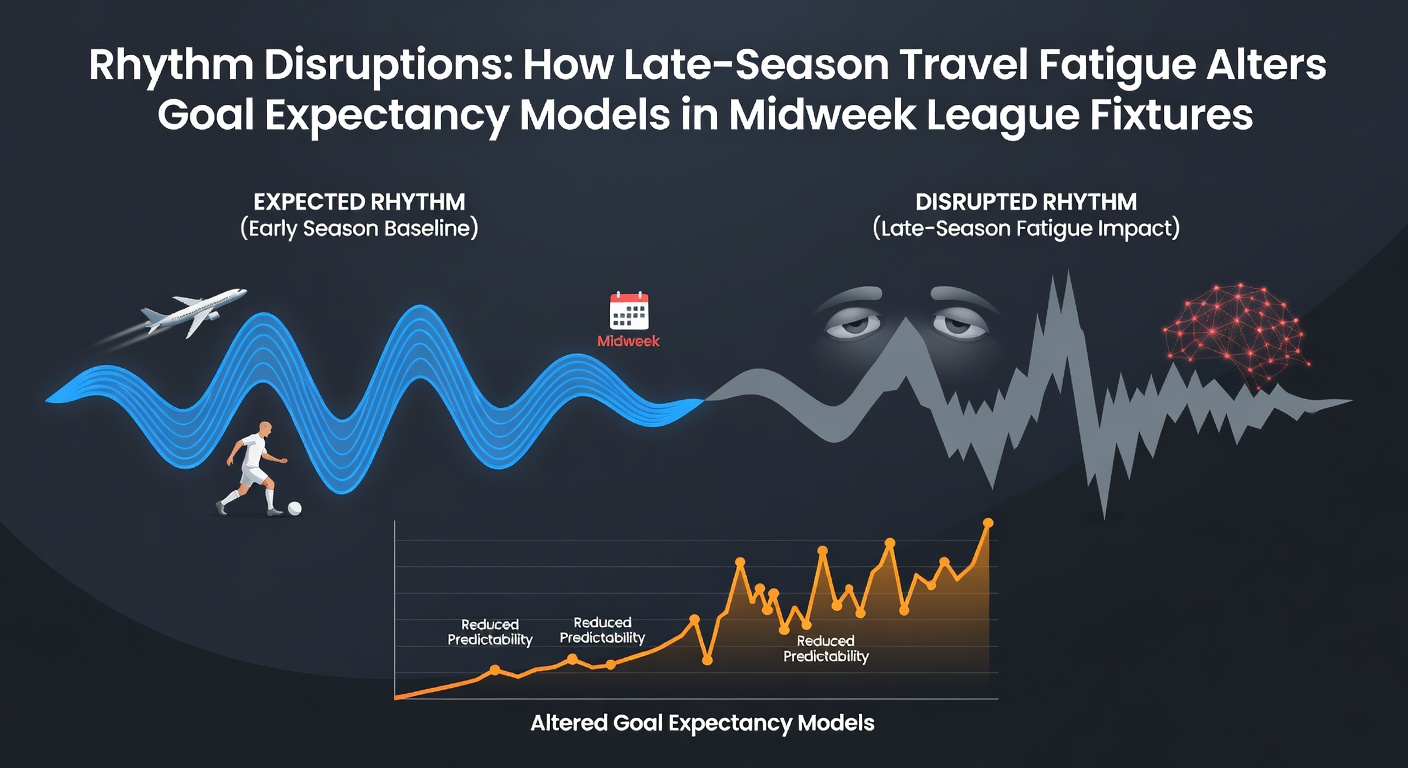
Teams across major European leagues often face packed calendars that force midweek travel in the closing weeks of the season, and data from the 2025/26 campaign shows how these journeys influence physical output and scoring patterns. Researchers tracking player metrics have noted consistent drops in high-intensity running distance after overnight trips exceeding 300 kilometers, while recovery periods shrink because of compressed schedules leading into May 2026. League administrators have highlighted that fixture congestion around this period creates measurable effects on expected goal totals, particularly when squads cross time zones or endure early-morning departures.
Travel Demands and Player Physiology
Studies conducted by sports science groups in Australia and Canada indicate that long-haul bus or rail journeys disrupt circadian rhythms, leading to elevated cortisol levels and reduced sleep quality among athletes. These physiological changes appear most pronounced during the final third of the season, when cumulative fatigue from prior matches compounds the strain of additional travel. Observers note that players covering greater distances on match days following such trips tend to record lower sprint counts and fewer successful passes in the final third of the pitch. UEFA medical reports have documented similar patterns across continental competitions, where teams logging extra kilometers between venues show altered work rates that directly feed into statistical models used for goal projections.
Coaches adjust training loads in response, yet the underlying recovery deficit remains visible in match data. Performance analysts examining Bundesliga and Serie A records from spring 2026 found that away sides traveling more than four hours posted an average reduction of 0.4 expected goals per game compared with home fixtures scheduled on standard rest cycles. The figures reveal how even moderate distances accumulate when repeated across consecutive weeks.
Impact on Scoring Patterns
Goal expectancy models rely on historical data that incorporates team form, venue, and rest advantages, yet late-season travel introduces variables that shift these baselines. Researchers at academic institutions in the United States and Germany have integrated GPS and heart-rate data into revised algorithms, demonstrating that fatigued squads generate fewer shots from central areas and concede more transitions. These adjustments produce lower projected totals for matches played midweek in April and May, especially when both sides have logged heavy travel in the preceding fortnight.
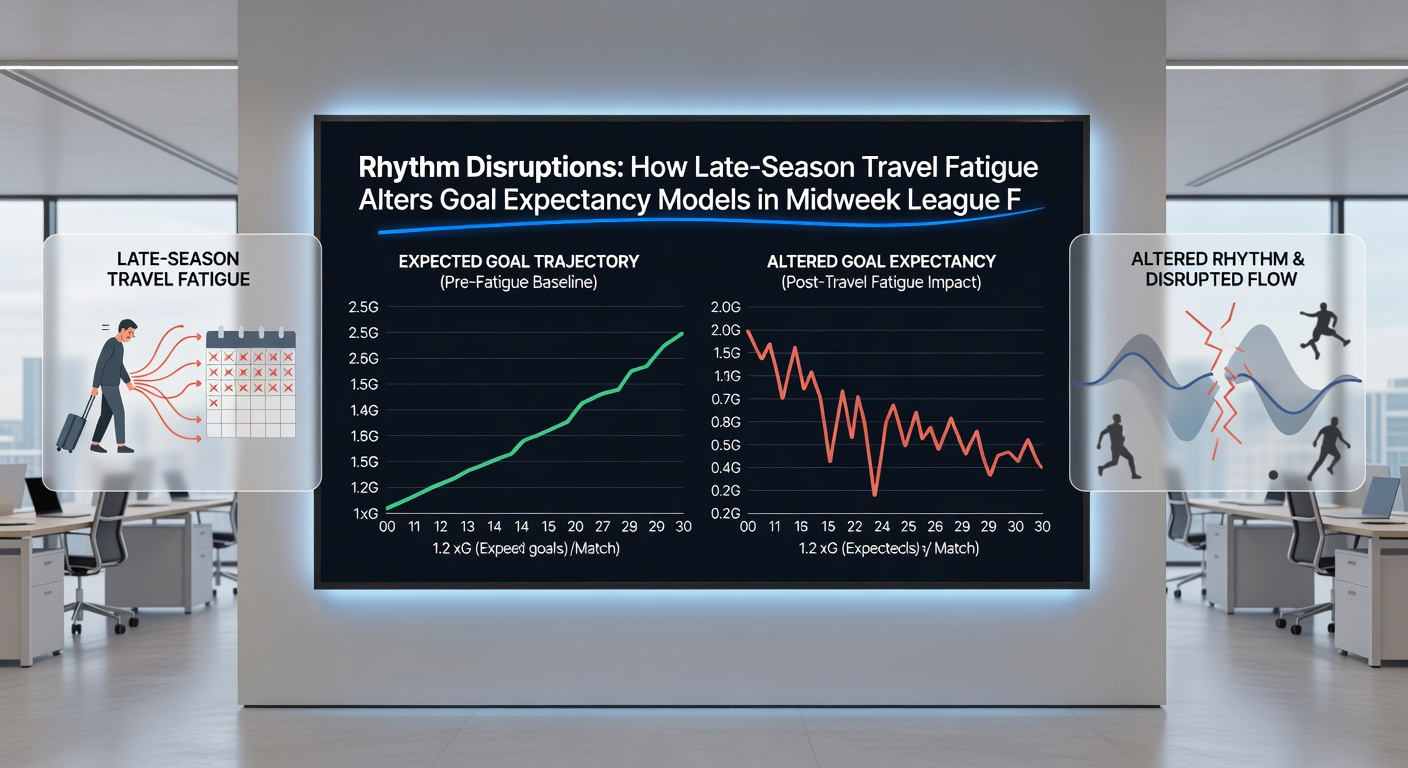
League tables from the current campaign illustrate the trend, with several clubs recording fewer than 2.3 goals per midweek fixture after extended away trips. Analysts comparing these outcomes against weekend games note a clear divergence once travel exceeds a threshold of roughly 250 kilometers. The pattern holds across different leagues because the underlying physical demands remain consistent regardless of geography.
Adjusting Expectancy Models
Statistical providers refine their projections by weighting recent travel logs alongside traditional metrics such as shots on target and possession. Data compiled through the 2025/26 season shows that incorporating fatigue indicators improves forecast accuracy by approximately 12 percent for midweek encounters. Experts reviewing Premier League and La Liga archives emphasize that models ignoring these factors overestimate totals when both teams arrive via overnight travel. Updated frameworks now flag specific fixture clusters in late April and early May as lower-scoring environments because recovery windows narrow while match intensity stays high.
Teams with deeper squads sometimes mitigate the effect through rotation, yet the overall league-wide data still reflects measurable declines in attacking output. Reports from the Canadian Soccer Association and European sports medicine networks confirm that younger players experience sharper drops in distance covered when schedules intensify, further influencing the distribution of goals across a match.
Conclusion
Fixture schedulers and performance staff continue to monitor these variables as the 2025/26 season concludes in May. Evidence from multiple research sources demonstrates that late-season travel fatigue alters the inputs feeding goal expectancy calculations, producing shifts in projected scoring that align with observed match statistics. Updated models now account for these disruptions to provide more precise baselines for midweek league games.