4 Jun 2026
Referee Card Tendencies Exposing Edges in Soccer Booking Markets Amid Intense League Battles
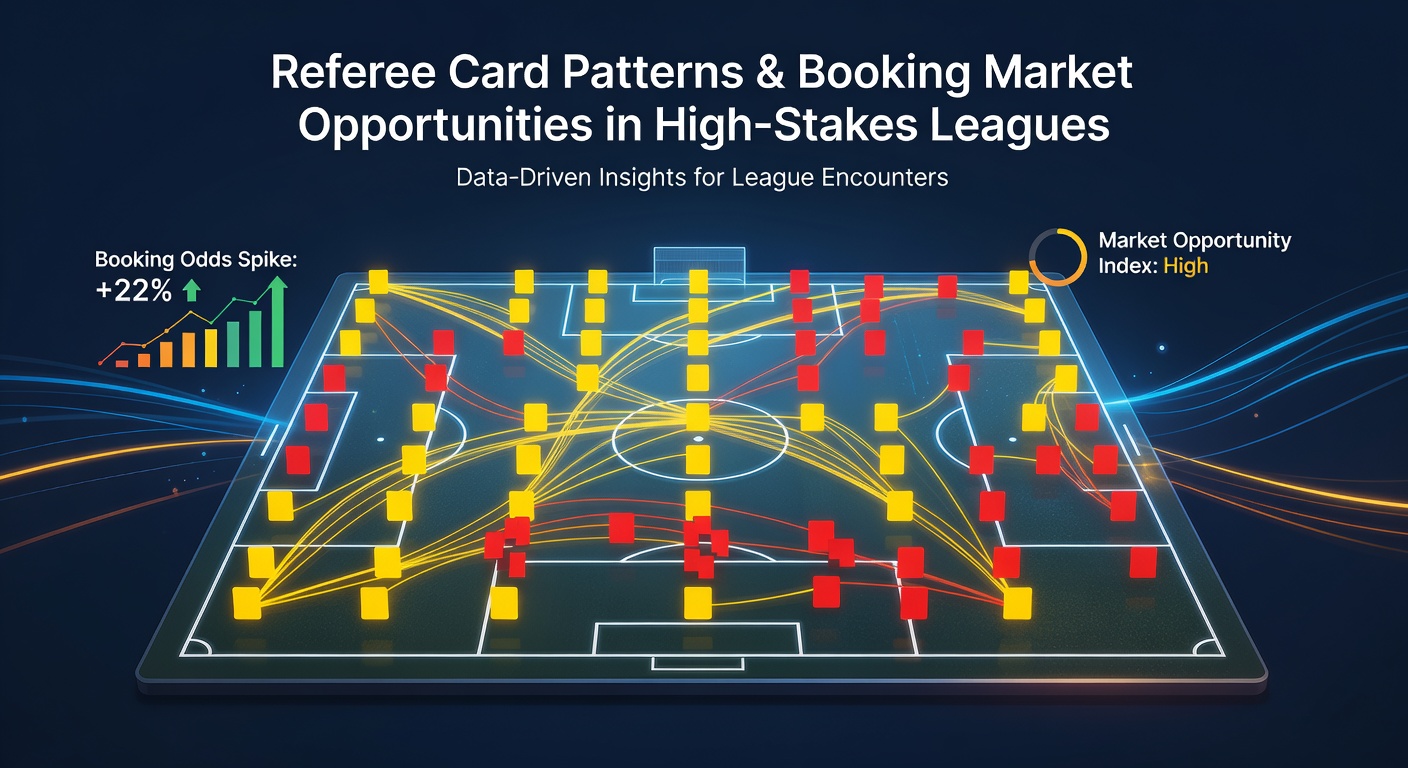
Referee card patterns create measurable signals in booking markets across elite soccer competitions, where yellow and red card totals often follow identifiable trends tied to official assignments, match intensity, and venue factors. Observers note that certain referees maintain consistent discipline rates, while others adjust their approach in knockout phases or derbies, and these variations translate directly into over-under card lines offered by bookmakers. Data from major leagues shows average card counts rising in high-stakes fixtures, yet the distribution across specific officials reveals clearer edges for those tracking historical outputs.
Core Mechanics of Booking Markets
Booking markets focus on total cards issued, individual player bookings, or team card counts, with lines typically set around 4.5 or 5.5 cards for league matches and higher thresholds in European ties. Researchers have tracked how referee profiles influence these totals because each official brings a baseline rate shaped by experience level, league affiliation, and past performance metrics. For instance, officials who average above 5.2 cards per game across a season create consistent opportunities when paired with teams known for physical styles, while stricter referees in away fixtures push lines toward the over side more frequently.
What's interesting is how venue plays into these patterns since home teams receive fewer cards on average according to aggregated match data, yet this gap narrows sharply during title-deciding or relegation encounters. And the reality is that schedule congestion amplifies card issuance because fatigued players commit more fouls, a trend visible in late-season rounds across Europe's top divisions.
Patterns Across Major Leagues
League-specific tendencies emerge when analysts break down referee assignments by competition. In Spain's top flight, officials issue higher card averages in matches involving direct title rivals, with figures from recent campaigns showing spikes above 6.0 cards per game in such contexts. Germany's Bundesliga presents different dynamics where faster play styles lead to more fouls but fewer cards overall, although certain referees maintain elevated rates regardless of pace. Italy's Serie A stands out for its emphasis on tactical fouling, resulting in booking lines that often settle near the middle of the offered range.
Those who've studied these distributions observe that midweek European fixtures shift patterns further, with UEFA-appointed referees showing distinct profiles compared to domestic officials. June 2026 marks the close of another full season cycle where cumulative data will allow updated modeling of these tendencies ahead of the next campaign.
High-Stakes Encounters and Discipline Shifts
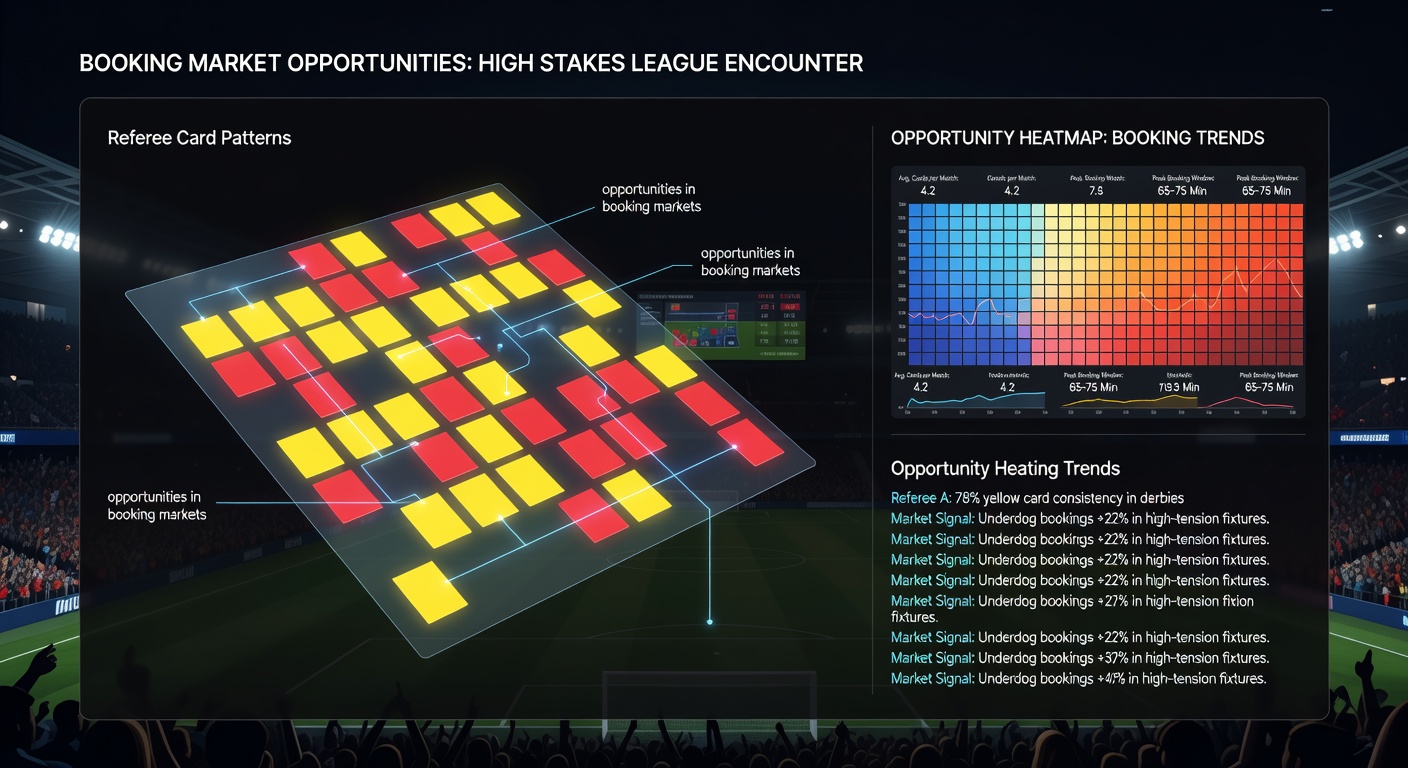
High-stakes league encounters intensify referee behavior because pressure from players, coaches, and crowds influences decision thresholds. Evidence suggests card counts climb in playoff-style rounds or when two teams fight for Champions League qualification, with studies indicating an average increase of 0.8 to 1.2 cards per match in these scenarios. Referees who normally sit at moderate rates often tighten their criteria, leading to more yellows for persistent dissent or tactical breaks in play.
Take one researcher who examined Champions League knockout data and found that certain officials double their red card probability when officiating between evenly matched sides. This creates specific edges in player prop markets, particularly for midfield enforcers who accumulate bookings at higher rates under such conditions. But here's the thing: the same referees sometimes relax standards in dead rubbers, which explains why line movement occurs once team motivations become public.
Data Sources and Analytical Approaches
Comprehensive tracking relies on detailed match logs maintained by performance analysis firms and league databases. According to reports from the International Centre for Sports Studies, referee consistency varies significantly by experience bracket, with veterans showing tighter variance in card totals across seasons. Academic papers from European universities have quantified how travel distance and rest days correlate with foul rates, providing additional layers for predictive models in booking markets.
One study revealed that referees from certain confederations maintain lower card averages when assigned to cross-border fixtures, a factor worth monitoring during continental campaigns. Figures reveal that incorporating these variables improves forecast accuracy by measurable margins when compared against simple league averages.
Practical Applications in Market Analysis
Analysts build profiles for each active referee by compiling card rates against team styles, time of season, and competition stage. These profiles feed into line evaluation where discrepancies between expected and offered totals become actionable. Observers note that early season data often diverges from later patterns because officials calibrate their approach after initial feedback rounds.
What's significant is that combining referee history with team disciplinary records produces stronger signals than either factor alone, especially when multiple high-card officials cluster in a single fixture window. External validation comes from sources such as the FIFA technical reports on match officiating trends, which supply standardized metrics across competitions.
Conclusion
Referee card patterns supply objective data points that shape booking market outcomes in high-stakes league encounters through consistent historical relationships rather than random variation. League records, referee assignments, and situational modifiers combine to generate identifiable probabilities that market participants can reference when assessing lines. Continued accumulation of match-level statistics through June 2026 and beyond will refine these relationships further as new seasons unfold.