19 May 2026
Illegal Gambling Operators Generate £16.6 Billion in UK Stakes During 2025
 Data from teh Betting and Gaming Council shows that illegal gambling operators pulled in roughly £16.6 billion in consumer stakes throughout 2025, a figure that has nearly tripled since the £5 billion recorded in 2019 and doubled compared with levels seen in 2023. Observers note the steady climb reflects several market pressures that have reshaped how consumers access betting services. The expansion coincides with rising taxes on licensed operators, tighter regulatory requirements, and greater online visibility for offshore platforms that sit outside UK oversight. These elements have combined to create conditions where unregulated sites capture larger shares of activity while offering fewer built-in safeguards for players.
Tracking the Growth Trajectory
Figures reveal a clear acceleration in black-market participation over recent years, with the 2025 total marking the steepest increase yet. Researchers tracking these patterns point to consistent year-on-year gains that began accelerating after 2023, when the market stood at roughly half its current size. The trajectory suggests structural shifts rather than temporary spikes, as higher operational costs for compliant firms and expanded digital reach for offshore entities continue to influence consumer choices.
Independent analysis of offshore/illegal gambling stakes (2025 data) confirms the scale of this movement and places it in context against earlier benchmarks. Those who monitor regulatory impacts observe that each new tax adjustment or compliance rule tends to widen the gap between licensed and unlicensed options, pushing some users toward platforms that operate without the same level of scrutiny.
Advertising Spend Shifts Toward Unregulated Sites
Illegal operators now account for nearly half of all UK gambling advertising spend, according to industry tracking. This development marks a notable change from previous years when licensed brands dominated promotional channels. The increased visibility of offshore sites through targeted digital campaigns has made them more accessible to everyday consumers who might not otherwise seek out unregulated options.
UK gambling advertising spend analysis highlights how these platforms allocate resources to reach audiences despite operating outside the formal system. People often find that such advertising appears alongside legitimate promotions, blurring distinctions and making it harder for users to differentiate between regulated and unregulated services at first glance.
CEO Highlights Consumer Protection Concerns
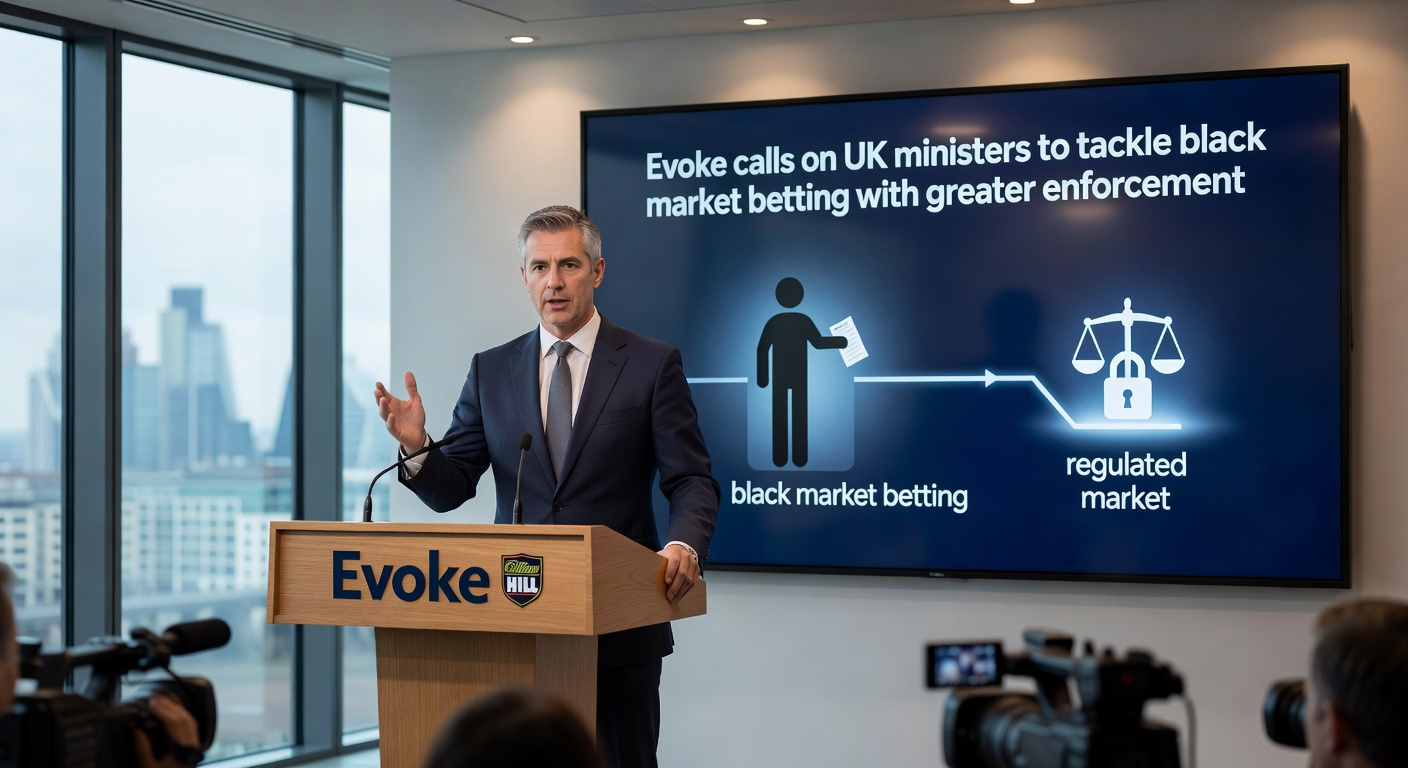
BGC CEO Grainne Hurst noted that ongoing trends carry risks of directing more customers toward unregulated platforms that lack standard consumer protections. Her comments emphasize how the absence of oversight can leave participants exposed when disputes arise or when responsible gambling tools remain unavailable. The warning comes amid broader discussions about balancing tax policy with efforts to keep activity within monitored channels.
Those who have studied these dynamics point out that once users migrate to offshore sites, returning to the regulated market becomes less likely without targeted interventions. Evidence suggests the combination of higher taxes on compliant operators and aggressive offshore marketing creates a feedback loop that sustains the growth in illegal stakes.
Connecting Regulatory Changes to Market Outcomes
Policy adjustments implemented over the past several years have produced measurable effects on both legal and illegal segments. Higher tax burdens reduce margins for licensed firms, while stricter rules around advertising and player verification add operational layers that some consumers perceive as barriers. Offshore operators, by contrast, face none of these constraints and can promote services more freely across digital channels.
Observers note that this environment has allowed illegal platforms to double their market presence since 2023 alone. The pattern shows how incremental regulatory tightening can inadvertently expand the space available for unregulated competitors, particularly when those competitors already maintain strong online visibility.
Conclusion
The 2025 data released by the Betting and Gaming Council illustrates how tax increases, regulatory tightening, and offshore advertising have together driven illegal gambling stakes to £16.6 billion. The near tripling since 2019 and doubling since 2023 reflect sustained momentum rather than isolated events. As illegal operators claim nearly half of UK gambling advertising spend, the sector continues to face questions about how best to maintain consumer safeguards while addressing these shifting market conditions.