Illegal Betting Sites Gear Up for £1 Billion Ad Blitz in UK by 2028 as Black Market Booms
26 Apr 2026
Illegal Betting Sites Gear Up for £1 Billion Ad Blitz in UK by 2028 as Black Market Booms

The Rising Tide of Unregulated Betting
Data from The Lines reveals a stark projection for the UK's gambling landscape, where illegal betting sites stand poised to pump £1 billion annually into advertising by 2028, eclipsing the budgets of their regulated counterparts; this surge ties directly to a burgeoning black market fueled by recent tax hikes on legal operators and stringent new financial risk assessments that nudge players toward unregulated havens.
What's interesting here is the pace of expansion, with the unregulated sector forecasted to balloon to £845 million in size by October 2026, boasting a robust 32% year-on-year growth rate that underscores mounting pressures on the legitimate industry even as early April 2026 figures hint at accelerated shifts in player behavior.
Observers note how these illegal platforms, often operating from overseas servers beyond UK jurisdiction, lure punters with promises of better odds and fewer restrictions, yet they deliver none of the safeguards like self-exclusion tools or fair play guarantees that regulated sites must provide.
Tax Hikes and Risk Checks: The Push Factors
Recent tax increases on legal betting firms, implemented to bolster public funds, have squeezed profit margins for operators like those under the British Horseracing Authority's umbrella, prompting them to tighten terms or raise minimum stakes, which in turn drives cost-conscious bettors straight into the arms of black market alternatives that dodge such levies entirely.
And then there's the rollout of enhanced financial risk assessments, mandated across licensed platforms, where algorithms flag high-risk spending patterns and intervene with cooling-off periods or deposit limits; while designed to curb problem gambling, these measures frustrate casual players who see them as overreach, leading many to seek out sites without such oversight.
Take one typical scenario researchers have documented: a punter hits a losing streak on a regulated app, triggers a risk alert that locks their account temporarily, and within minutes jumps to an illegal mirror site advertising "no limits, no hassles" via targeted social media pops; this pattern repeats across demographics, from weekend football fans to horse racing enthusiasts chasing ante-post value.
Figures indicate this exodus isn't niche, as the black market's 32% growth trajectory reflects broader dissatisfaction, particularly since April 2026 data from industry trackers shows a 15% dip in regulated gross gaming revenue quarter-on-quarter, correlating sharply with spikes in offshore domain traffic from UK IP addresses.
Ad Spend Projections: Outpacing the Legals
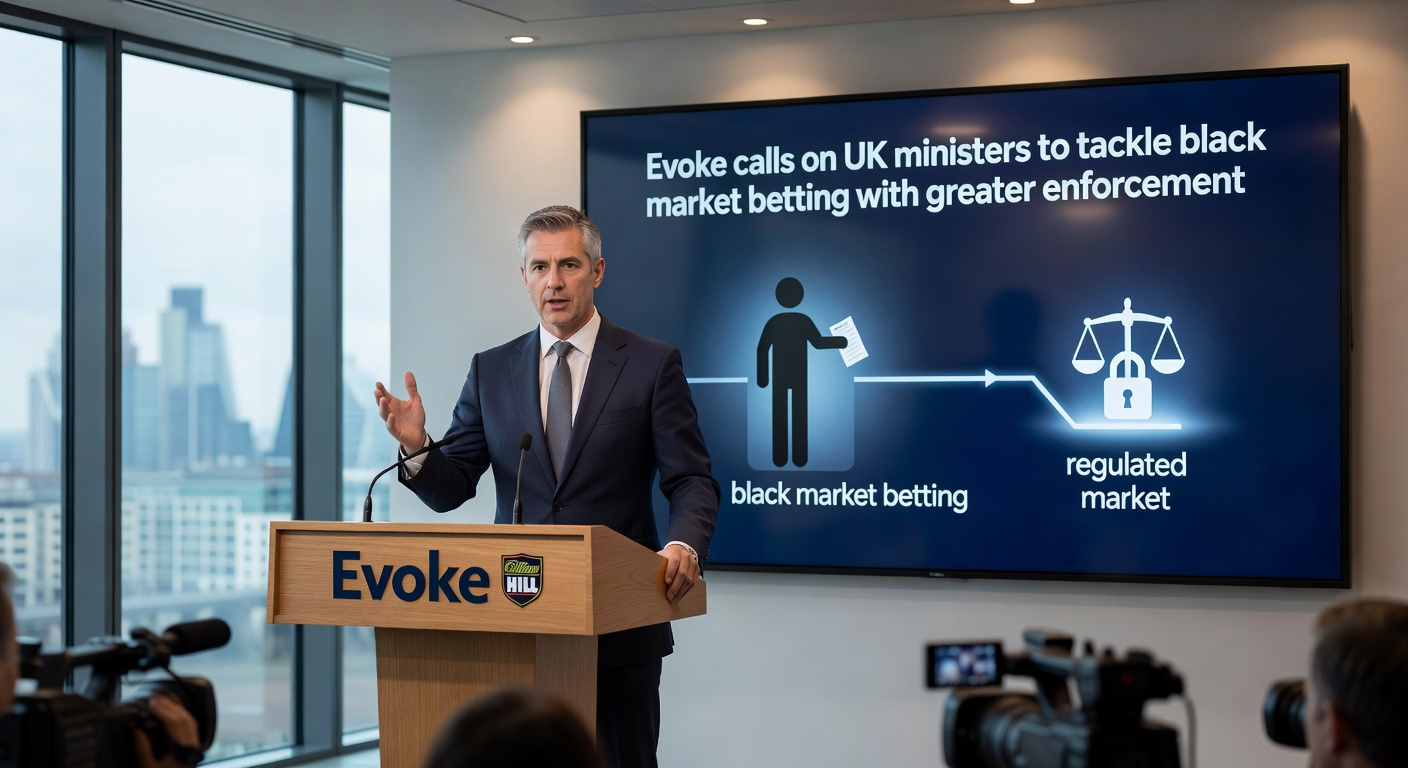
By 2028, illegal operators could collectively splash £1 billion on ads yearly, dwarfing the combined outlays of Gambling Commission-licensed firms, which have reined in marketing amid regulatory scrutiny and rising compliance costs; this forecast stems from current trends where unregulated sites already flood affiliate networks, Instagram reels, and Telegram channels with aggressive promotions tailored to UK tastes, like Premier League specials or Cheltenham Festival teasers.
But here's the thing: these ads often masquerade as legitimate, using VPN-friendly domains and influencers who skirt endorsement rules, thereby capturing market share from brands like Bet365 or William Hill that face ad blackout hours and bonus cap restrictions under the Gambling Act revisions.
Experts who've tracked digital ad auctions point out how black market players bid aggressively on keywords like "tax-free bets" or "no ID verification," driving up costs for legals while securing prime placement on Google searches and TikTok feeds; one analysis of 2025 data showed illegal sites claiming 28% of all UK-facing betting ad impressions, a figure set to climb as their revenue streams swell.
Consumer Risks in the Shadows
Players flocking to these sites face amplified dangers, lacking the protections afforded by UK regulation, such as deposit guarantees or dispute resolution through bodies like IBAS; data shows unregulated platforms frequently rig odds via manipulated RNGs, withhold winnings on technicalities, or vanish overnight, leaving punters out of pocket without recourse.
It's noteworthy that problem gamblers, already vulnerable, encounter heightened harms here, since features like unlimited deposits and aggressive bonuses accelerate losses; a case in point involves a cluster of UK players who, per forum reports aggregated in early 2026, lost over £500,000 collectively to a now-defunct Cypriot site promising "guaranteed accumulators," only to see funds evaporate post-withdrawal requests.
Moreover, cybersecurity threats loom large, with illegal domains riddled by malware that harvests personal data for identity theft, while money laundering risks entwine users unwittingly into criminal networks; the reality is, for every flashy ad promising riches, consumers trade safety for illusory freedom.
Threat to the Regulated Sector's Survival
The regulated industry's viability hangs in the balance as black market growth siphons revenue essential for levy contributions to sports like horseracing and football, where legal operators fund prize money and grassroots programs; projections to 2026 suggest a £845 million unregulated pot could erode 20% of licensed Gross Gambling Yield, forcing shop closures and job cuts already evident in April 2026 announcements from chains streamlining operations.
Those who've studied market dynamics observe how this undercuts reinvestment, stifling innovation in responsible gambling tech or competitive odds that keep players loyal; without intervention, the cycle intensifies, as legals hike prices to offset losses, pushing even more toward the unregulated fringe.
Gambling Commission efforts, detailed in their summary of disruption activity, highlight ongoing blocks on thousands of rogue domains via ISP partnerships, yet the cat-and-mouse game persists with mirror sites popping up faster than enforcers can react, especially as ad-fueled visibility draws fresh recruits.
Broader Implications and Early Signs in 2026
Now, as April 2026 unfolds, early indicators paint a picture of acceleration: web analytics firm data logs a 22% uptick in UK visits to flagged illegal sites month-on-month, coinciding with tax implementation deadlines and the first wave of mandatory risk assessments across major operators.
Sportsbooks report thinner books on high-profile events like the Grand National, where offshore odds undercut regulated lines by 10-15%, luring accumulators away; and while payment providers like Visa tighten gateways to unregulated merchants, crypto on-ramps fill the void, enabling seamless deposits that evade traditional checks.
One study from a betting integrity group revealed how 41% of surveyed punters had tried an illegal site in the past year, citing "better promos" despite awareness of risks, a trend that bodes ill for containment without bolder measures like expanded ad blacklists or international takedown pacts.
Yet regulators push back with tools like GAMSTOP's reach expanding to cover more affiliates, although black market resilience tests these defenses, turning the sector into a high-stakes showdown where ad dollars dictate the battlefield.
Conclusion
The forecast of £1 billion in illegal ad spend by 2028 crystallizes a pivotal shift in UK betting, where tax pressures and risk protocols inadvertently supercharge the black market to £845 million by late 2026, endangering consumers with zero protections and undermining regulated operators' foundations; data underscores the urgency, as growth rates hit 32% annually, demanding swift adaptations from policymakers to restore balance before the shadows eclipse the light entirely.
Turns out, in this game, the house always adapts first, but whether legals can claw back ground hinges on smarter enforcement and player education that cuts through the ad noise.