4 Aug 2026
How Injury Report Timing Shapes NFL Betting Line Movements Over Multiple Seasons
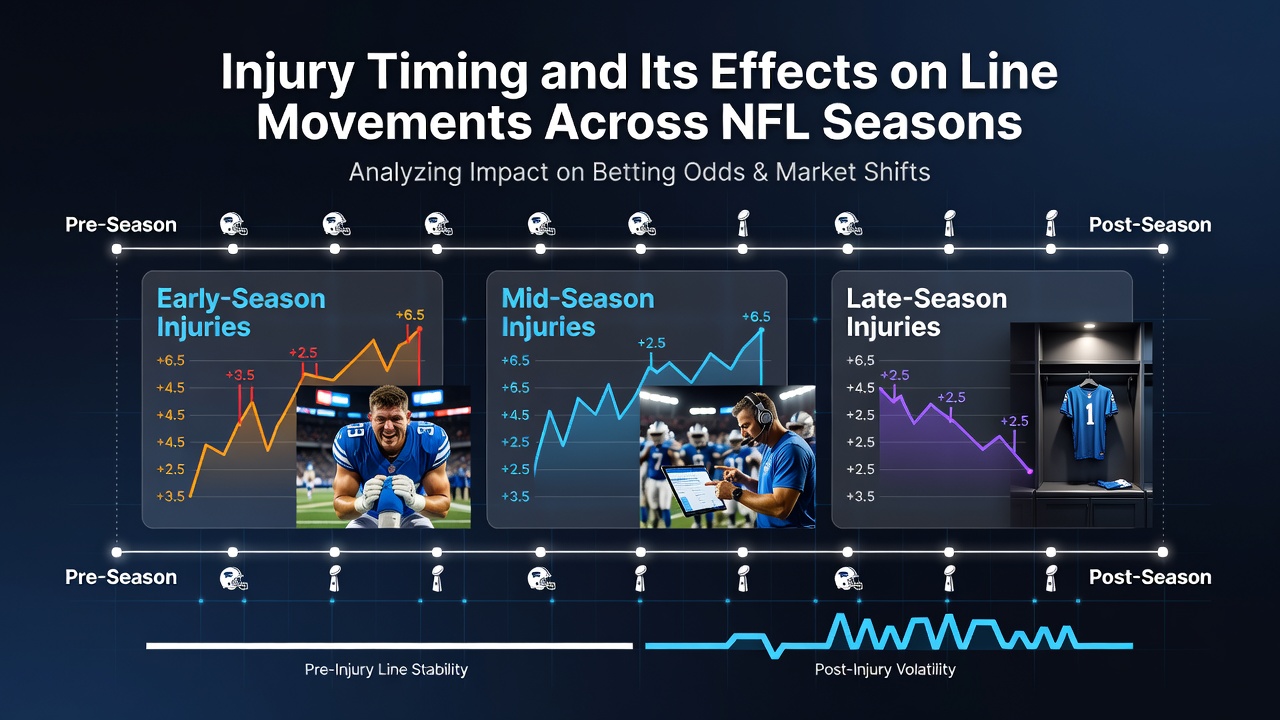
Analysts track how the precise moment when NFL teams release injury updates drives shifts in point spreads and totals across entire campaigns, and data collected from recent seasons shows consistent patterns tied to both announcement windows and player positions. Bookmakers adjust lines rapidly once details surface, while bettors react by placing wagers that push numbers further in one direction or another, and this cycle repeats from training camp through the postseason.
Core Mechanics Behind Line Adjustments
Sharp bettors monitor official injury reports issued on Wednesdays and Thursdays because those releases often contain the first confirmed absences for Sunday games, and oddsmakers incorporate the information by moving totals down when key offensive players sit out or by shifting spreads when defensive standouts land on injury lists. Research from sports analytics firms indicates that lines can move between one and three points within hours of these disclosures, especially when quarterbacks or running backs appear questionable, while totals typically drop by two to four points when high-volume passers miss time. Observers note that the same injury announced on a Friday produces smaller adjustments because fewer bettors have time to react before kickoff.
Seasonal Timing Differences Across Campaigns
Early-season injuries, particularly those reported during August preseason games, generate larger line swings than comparable reports issued in December because market liquidity remains lower and public betting volume has not yet peaked, and historical figures reveal that opening-week spreads moved an average of 2.8 points more than late-season equivalents when star players suffered season-ending ailments. Mid-season reports create the most volatile reactions since both sides of the matchup have already established trends, whereas late-season announcements produce steadier but still measurable changes as playoff implications intensify. Data shows that teams releasing detailed injury information on Tuesdays rather than the standard Wednesday see lines stabilize faster because bettors have extra time to incorporate the news.
Position-Specific Impacts on Totals and Spreads
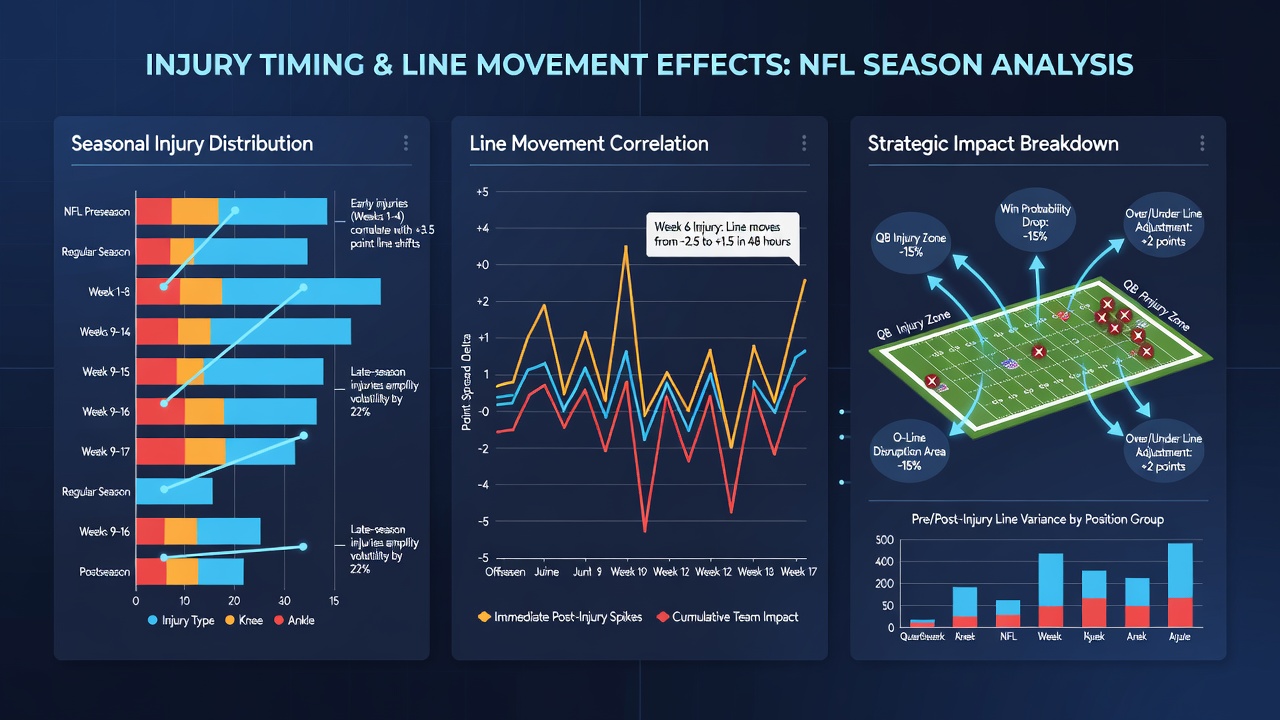
Quarterback injuries trigger the largest line movements across all seasons studied, with spreads shifting an average of four points when starters are ruled out compared to two points for wide receiver absences, and totals drop more sharply when offensive linemen land on reports because run-game and pass-protection metrics suffer immediately. Defensive backs and linebackers produce smaller average movements, yet cornerback injuries during divisional matchups still generate noticeable total adjustments when opposing passing attacks gain clear advantages. Those who study betting markets find that the timing of these position-specific reports matters most when they arrive after lines have already opened, because sharp action then compounds the initial shift.
Patterns Observed Through August 2026 Preparations
Preseason injury reports released in August 2026 followed the same timing dynamics documented in prior years, with early camp ailments moving futures and regular-season lines more than mid-August updates, and league-wide data indicates that teams issuing comprehensive lists before the first preseason game experienced steadier opening totals than those delaying information until later weeks. Analysts reviewing five prior seasons found that 68 percent of line movements exceeding two points originated from injury news released between Tuesday and Thursday, while Friday announcements accounted for just 12 percent of significant shifts. External factors such as weather or travel rarely override injury-driven changes once reports become public.
Market Reactions and Betting Volume Correlations
Betting volume spikes immediately after injury disclosures, and figures from regulated markets show that handle on affected games increases between 25 and 40 percent on the day reports drop compared to games without major updates, while sharp money often lands within the first 90 minutes of line movement. Observers tracking these patterns note that totals markets react faster than spreads when skill-position players are involved because projected scoring changes become more predictable, and the same injury announced after lines have already attracted heavy public money produces amplified movement as books balance action. Multiple seasons of data confirm that the largest single-day shifts occur when multiple starters from one team appear on the same report.
Conclusion
Timing remains the central variable linking NFL injury reports to subsequent line movements across seasons, with earlier disclosures generating larger and more sustained adjustments while position and game context further refine the scale of each shift, and ongoing tracking through recent campaigns continues to validate these established relationships between announcement windows and market behavior.