31 May 2026
Greyhound Trap Trends: How Rail Biases Shape Evening Race Outcomes for Multi-Leg Betting Strategies

Evening greyhound meetings present distinct patterns in trap performance that bettors examine when constructing multi-leg wagers across several races, and researchers tracking these events note how starting positions interact with track layouts to influence results. Data compiled from multiple venues indicates that inside traps often record higher strike rates on tighter circuits because dogs cover less ground to the first bend, while wider traps gain advantages on straighter courses where early pace matters less. Observers who study seasonal records find that these advantages shift further once lights come on and temperatures drop, creating conditions where rail preferences become more pronounced during the later program.
Trap Statistics Across Evening Programs
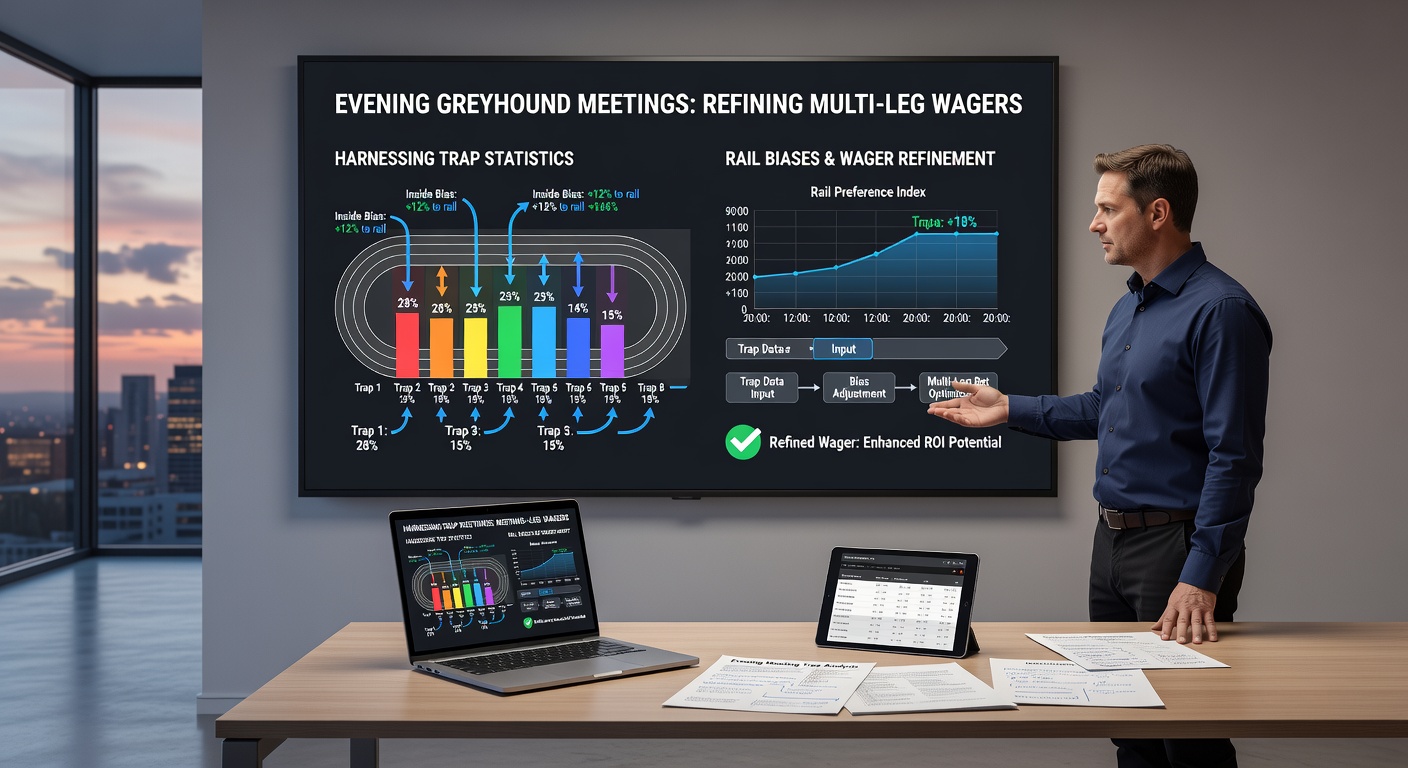
Comprehensive reviews of trap data from British and Irish tracks reveal that trap one secures around 28 percent of wins in evening fixtures, a figure that climbs when the surface favors tight runners, whereas trap six hovers near 12 percent on the same programs. Analysts compiling these numbers point out that trap two and trap three frequently outperform expectations on wider circuits because they avoid early crowding yet still reach the rail quickly, and this pattern holds steady across dozens of meetings each month. Those who review multi-season datasets note that evening sessions amplify these differences since cooler air firms the ground and reduces late surges from outside runners.
Rail Biases and Track Configuration
Rail bias emerges when the inside fence offers a shorter path or better camber, and studies of evening meetings show this advantage strengthens after the sun sets because dew settles and the surface tightens along the inner lane. Tracks with pronounced turns display rail percentages exceeding 35 percent for traps one and two combined, while straighter ovals distribute results more evenly until fatigue sets in during longer races. Experts examining video footage alongside timing data observe that dogs drawn wide must overcome both extra distance and potential interference, a factor that compounds when multiple legs of an accumulator require selections from the same meeting.
Refining Multi-Leg Wagers with Combined Data
Bettors constructing accumulators often cross-reference trap averages with rail bias metrics before committing stakes, and reports from racing authorities indicate this approach narrows variance across four or five legs. A single meeting might feature two tight circuits followed by a straighter layout, prompting selections that favor inside traps early and wider draws later when bias shifts. Figures released by the Australian Greyhound Racing Association demonstrate how similar statistical layering improves long-term strike rates on multi-race bets by accounting for surface changes that occur after dusk. People who maintain detailed spreadsheets of these variables find that evening programs reward consistent application of bias adjustments rather than blanket trap preferences.
Seasonal Adjustments and 2026 Developments
With operational changes scheduled across several betting operators in May 2026, including revised tax structures that affect shop networks and online platforms, the availability of detailed track data continues to expand through independent timing services. Researchers at institutions such as the Canadian Pari-Mutuel Agency have documented parallel patterns in harness and greyhound disciplines, underscoring how environmental factors at night alter rail advantages in predictable ways. Those monitoring industry reports note that operators increasingly supply trap-specific analytics to maintain transparency amid evolving regulations, allowing wager refinement without reliance on anecdotal observation alone.
Conclusion
Trap statistics and rail biases supply measurable inputs that refine multi-leg greyhound wagers when applied consistently across evening meetings, and ongoing data collection supports more precise modeling of these variables. As programs evolve through 2026, the integration of surface and positional metrics remains central to understanding how selections interact over multiple races.