Forecast Signals Record Global Betting Totals for 2026 World Cup

Analysts project the 2026 FIFA Men's World Cup will generate more than $50 billion in wagers worldwide, a substantial rise from the $35 billion recorded during the 2022 edition hosted by Qatar, and the figures position the upcoming tournament as the biggest betting event in history according to Macquarie forecasts. The expansion to 48 teams creates over 100 matches across three host nations, while favorable time zones in the United States, Canada, and Mexico align with peak viewing hours for major betting markets.
Expanded Format Drives Volume Increases
Organizers confirmed the 48-team structure for 2026, which adds extra group-stage fixtures and extends the overall schedule into June and July of that year, creating more opportunities for bettors to place wagers on individual matches, tournament stages, and prop bets. The additional games directly contribute to higher total handle because each contest offers separate betting windows, and data from previous expanded tournaments shows proportional growth in activity when match counts rise.
Time Zones and Market Access Shape Projections
Matches played across North American time zones reduce the number of late-night or early-morning fixtures for audiences in Europe and Asia, allowing more participants to follow games live and place in-play bets during convenient hours. Observers note that simultaneous kickoffs in overlapping time bands further concentrate betting traffic, while the established legal sports-betting frameworks in many U.S. states add another layer of accessible volume that was smaller during the 2022 cycle.
United States Market Expansion Supports Global Totals
Legal sports betting continues to grow across U.S. jurisdictions, and forecasters tie this expansion to the overall $50 billion estimate because American bettors now have regulated options for international soccer events that were limited or unavailable four years earlier. The combination of more matches and wider domestic access produces the projected jump, with industry models allocating a significant share of the increase to U.S. wagering platforms.
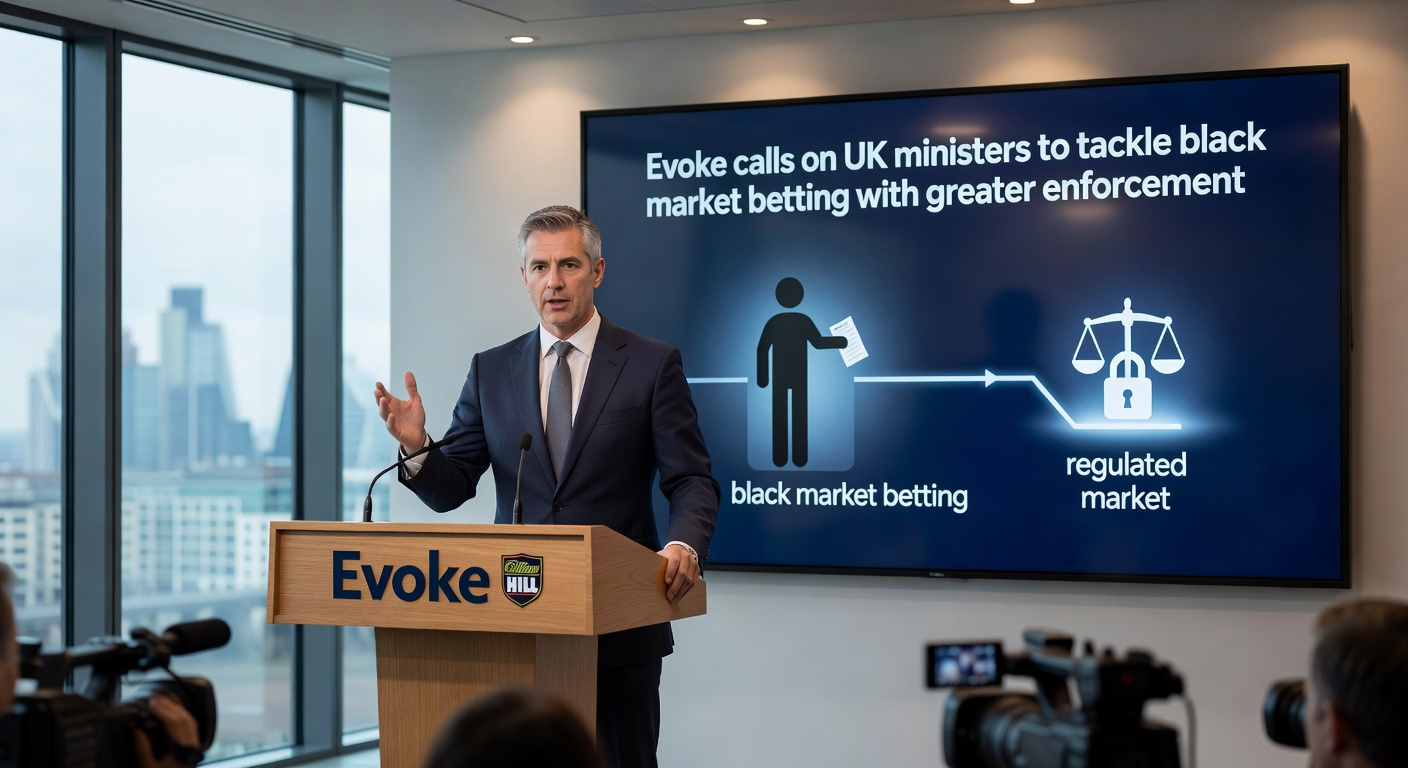
UK Stakeholder Perspectives on Promotion and Protections
UK gambling awareness groups have flagged potential risks that cross-promotional campaigns tied to the World Cup could steer customers toward casino-style products with higher addiction profiles, and these organizations point to patterns observed during prior major tournaments where advertising volume correlated with shifts in product preference. At the same time, the Betting and Gaming Council has emphasized that the regulated UK market maintains robust consumer safeguards, including age verification, deposit tools, and responsible gambling messaging that remain in force throughout the 2026 coverage period.
Regulatory Context in the UK Market
Current UK rules require operators to display clear safer-gambling information during high-profile events, and the Betting and Gaming Council has stated that these measures will apply uniformly to all World Cup-related marketing. Awareness groups continue to monitor whether increased advertising spend during the expanded schedule leads to measurable changes in player behavior, while the industry body maintains that licensed operators already operate under strict codes designed to limit harm.
Global Reach and Scheduling Details
The 2026 tournament spans multiple cities across three countries, with group matches, knockout rounds, and the final distributed through June and into mid-July, giving bettors extended windows for both pre-match and live betting. Time-zone alignment means many European viewers encounter afternoon and evening kickoffs, which aligns with typical leisure periods and supports higher engagement rates compared with tournaments held in distant time zones.
Conclusion
The Macquarie forecast therefore centers on the interplay between tournament expansion, geographic timing advantages, and U.S. market maturation as the primary drivers behind the anticipated $50 billion total. UK stakeholders present contrasting views on promotional risks versus existing protections, yet both sides operate within the same regulatory framework that will govern activity during the June and July 2026 window. The single news story underscores how structural changes in the event itself, combined with regional betting developments, produce measurable shifts in global wagering volumes.