Cross-Platform Rewards Connecting Live Horse Racing Bets to Digital Table Games
Iris Schmidt · Aug 23, 2026
Cross-Platform Rewards Connecting Live Horse Racing Bets to Digital Table Games
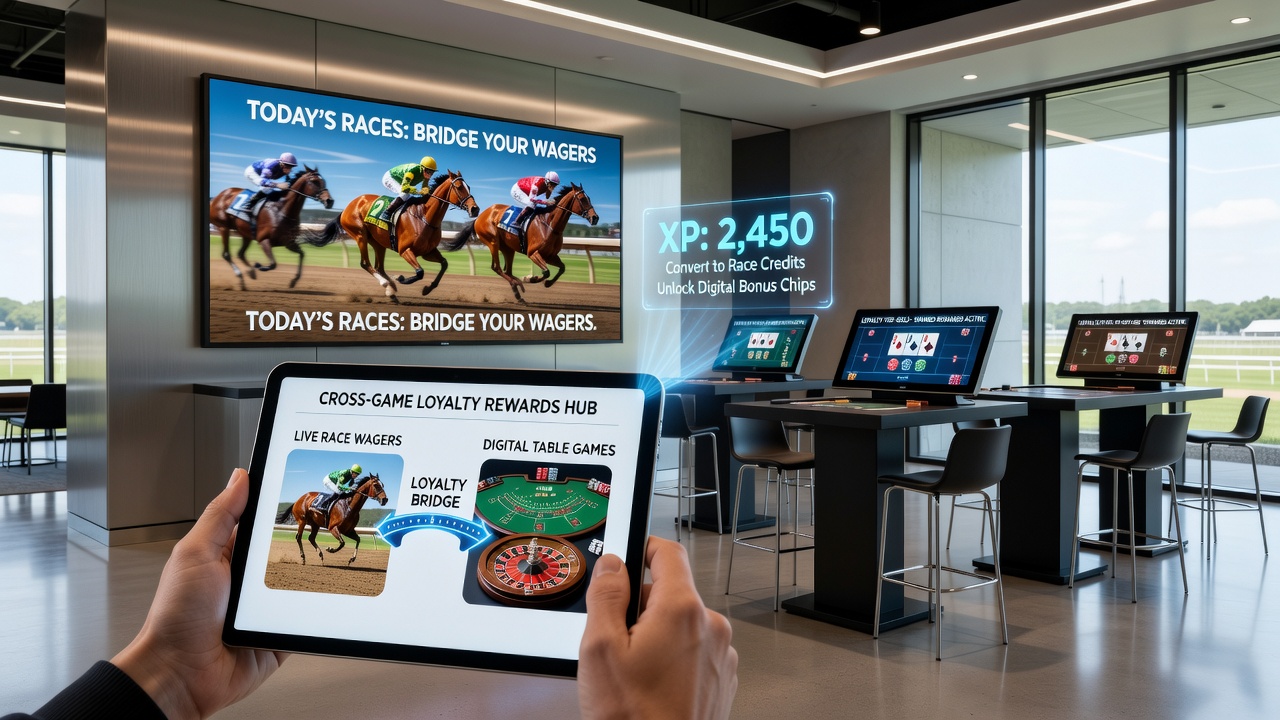
Operators in multiple jurisdictions have developed loyalty systems that allow participants to accumulate points from live horse race wagers and redeem them within digital table game environments such as blackjack and roulette platforms. These programs track activity across separate product categories through unified player accounts that record wager volume and frequency in both sectors.
Data from state-regulated markets in the United States indicate that integrated reward structures emerged after legislative changes permitted online gaming expansions between 2018 and 2022. Nevada and New Jersey regulatory filings show operators linking racetrack betting terminals with casino software to create single loyalty ledgers. Participants earn tiered status levels based on combined handle from thoroughbred and harness events plus table game sessions conducted through mobile applications.
Mechanics of Point Accumulation Across Categories
Systems assign base points per dollar wagered with multipliers applied during promotional periods for specific events. A $50 win-place-show ticket at a licensed track might generate 50 points while an equivalent digital blackjack wager contributes the same amount when placed through the connected platform. Bonus structures often include accelerated earnings for live race day attendance verified through geofencing or for table game sessions exceeding 100 hands within a calendar month.
Redemption options span both verticals because operators route rewards through central wallets. Points convert to free bets on upcoming races or to table game credits with conversion rates published in program terms. Several operators report that 35 to 40 percent of active accounts in integrated systems utilize cross-category redemptions within the first six months of enrollment according to aggregated operator disclosures filed with state gaming boards.
Regulatory Frameworks Supporting Integration
Canadian provincial authorities including the Alcohol and Gaming Commission of Ontario have authorized similar linkages under commercial gaming licenses issued after 2020. These frameworks require operators to maintain separate ledgers for sports and gaming activity while permitting unified loyalty identifiers for marketing purposes. Australian state regulators in New South Wales and Victoria permit comparable structures under interactive gaming rules that distinguish between racing and casino products yet allow shared reward currencies when operators demonstrate responsible gambling controls.
Research published by the National Center for Responsible Gaming in 2024 examined transaction patterns across 12 integrated programs and found median account tenure increased by 18 percent when points transferred between racing and table game categories. The study tracked over 240,000 accounts and noted that redemption diversity correlated with higher session frequency without altering average wager sizes in either category.
Implementation Patterns Observed in August 2026
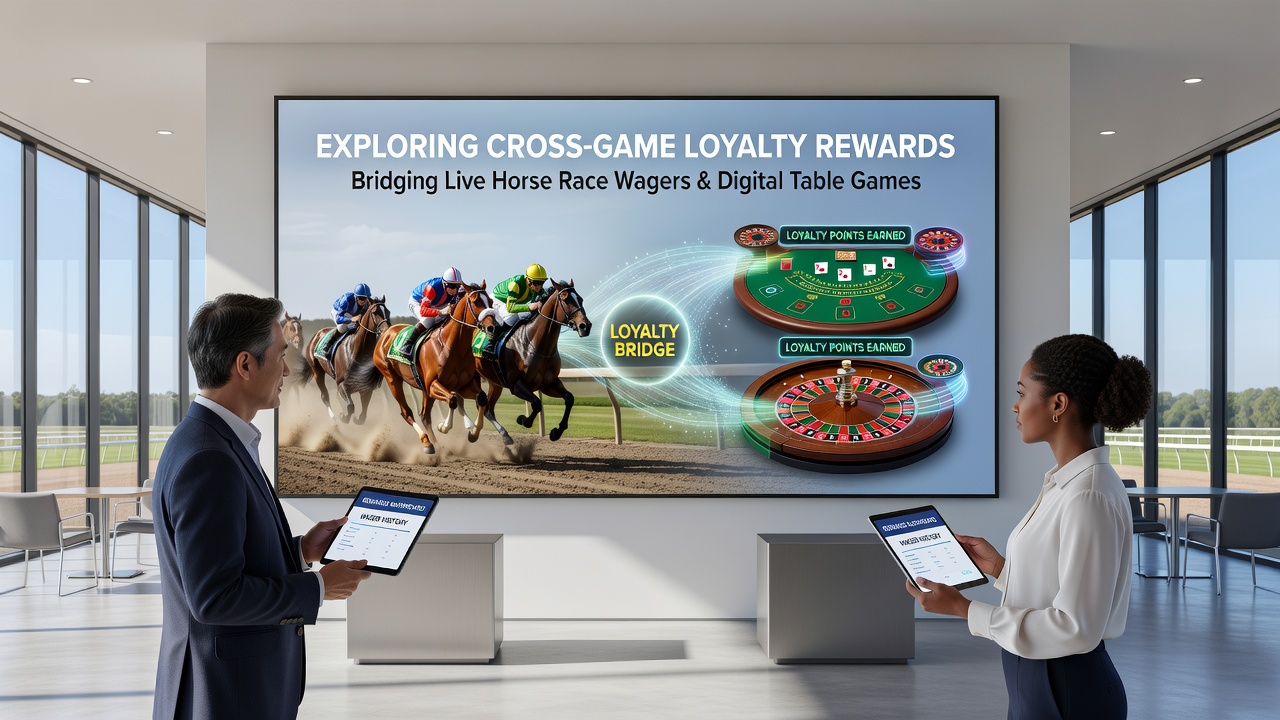
Market reports compiled for the second quarter of 2026 show continued expansion of these systems in jurisdictions that legalized additional online table game offerings earlier in the year. Operators introduced seasonal promotions tying Breeders' Cup qualifying races to digital table game leaderboards where accumulated points determine entry into monthly prize draws. These campaigns run alongside existing tier benefits that unlock higher cashback percentages for combined activity across both product types.
Technical integration relies on API connections between totalisator systems used at racetracks and remote gaming servers operated by casino licensees. Real-time point updates appear in player dashboards within seconds of wager settlement, and the same interface displays available redemptions for upcoming races or table game sessions. Security protocols require two-factor authentication for point transfers exceeding preset thresholds to comply with anti-money laundering requirements enforced by state and provincial regulators.
Player Behavior Data and Program Metrics
Industry analyses released by the American Gaming Association in early 2026 documented that accounts participating in cross-category loyalty programs generated 22 percent more total handle than single-category accounts over a 12-month period. The figures derive from anonymized transaction records submitted by member operators across five states. Retention rates for multi-product participants reached 67 percent at the 180-day mark compared with 51 percent for accounts limited to one vertical.
European operators operating under Malta Gaming Authority licenses have introduced analogous structures for markets where both horse racing betting and digital casino games coexist. Point ledgers in these environments incorporate contributions from live streaming events and virtual table interfaces with redemption values adjusted according to local tax and licensing conditions. Academic reviews from the University of Sydney's Gambling Treatment Clinic have examined similar programs and identified consistent patterns of increased engagement without corresponding rises in problem gambling indicators when spend limits remain active.
Conclusion
Cross-game loyalty structures continue to evolve through regulatory approvals and technical refinements that connect live horse race wagers with digital table game activity. Available data from multiple jurisdictions demonstrate measurable increases in account longevity and cross-product participation when unified reward systems operate under established responsible gambling parameters. Operators maintain these programs through documented compliance with state, provincial, and national licensing conditions that govern both racing and casino sectors.