18 Jun 2026
Charting Seasonal Form Cycles: How Training Regimens Influence Selection Edges in Equine and Team Events
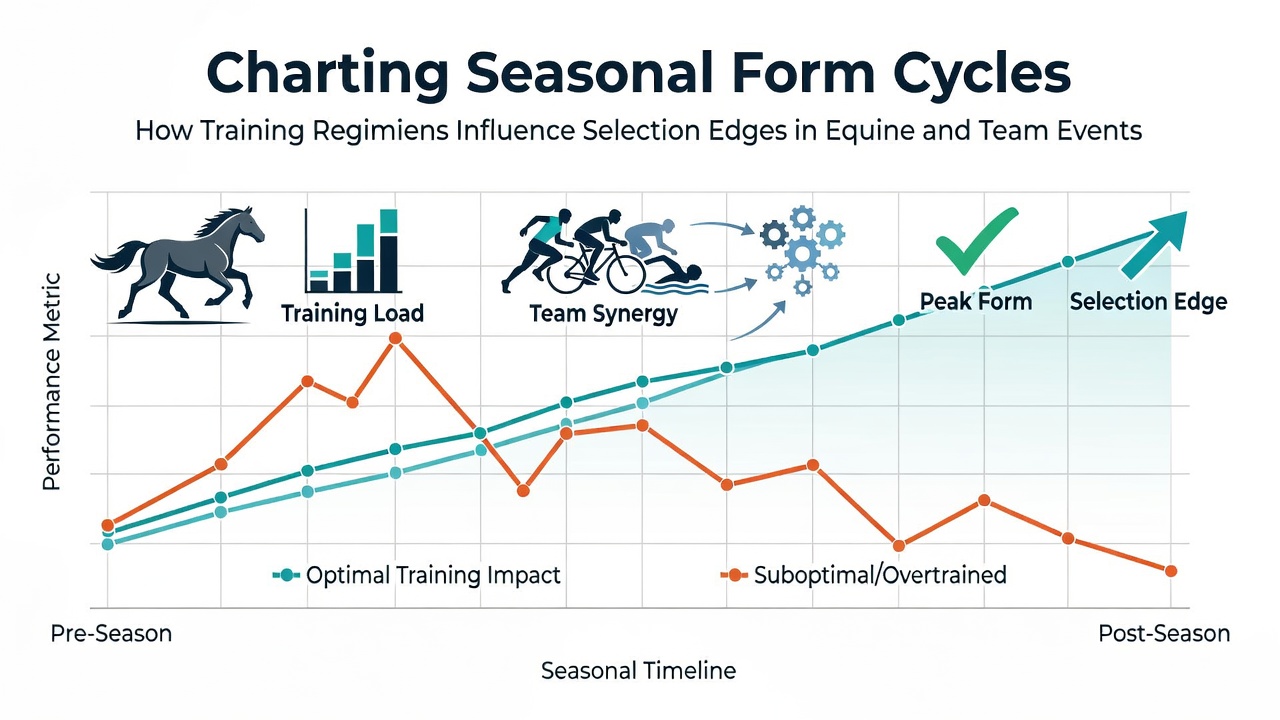
Seasonal form cycles emerge as a recurring pattern across equine competitions and team sports where structured training regimens determine when peak performance becomes achievable and how that timing creates measurable selection advantages for those monitoring the data. Researchers tracking these cycles over multiple years have documented how specific conditioning protocols align with calendar shifts to produce consistent edges in both horse racing circuits and professional leagues.
Equine Form Patterns and Conditioning Protocols
Thoroughbreds and standardbreds display distinct form cycles tied directly to training intensity variations throughout the year, with studies from the University of Melbourne revealing that horses subjected to progressive overload phases in early spring often reach optimal readiness by mid-summer campaigns. Data collected across Australian racing seasons shows that animals following periodized programs, incorporating high-intensity intervals followed by recovery blocks, maintain sharper competitive edges compared to those trained under steady-state methods alone. Observers note that these cycles repeat annually because equine physiology responds predictably to workload adjustments, allowing trainers to time peak efforts around major events.
June 2026 brought fresh examples of this dynamic as several prominent stables adjusted regimens ahead of northern hemisphere fixtures, with performance metrics indicating earlier peaking among horses whose winter conditioning emphasized aerobic base building over speed work. Such adjustments create selection edges because bettors and handicappers who track training reports can identify horses likely to deliver stronger showings once seasonal conditions favor their prepared state.
Team Sports Parallels in Seasonal Readiness
Similar dynamics operate in team environments where soccer, basketball, and rugby squads structure pre-season blocks to align physical peaks with league schedules, and data from the International Olympic Committee indicates that clubs using individualized periodization models reduce injury rates while improving win percentages during critical mid-season windows. Training regimens here emphasize sport-specific drills layered onto strength and endurance foundations, producing form cycles that become visible in team statistics compiled across multiple campaigns.
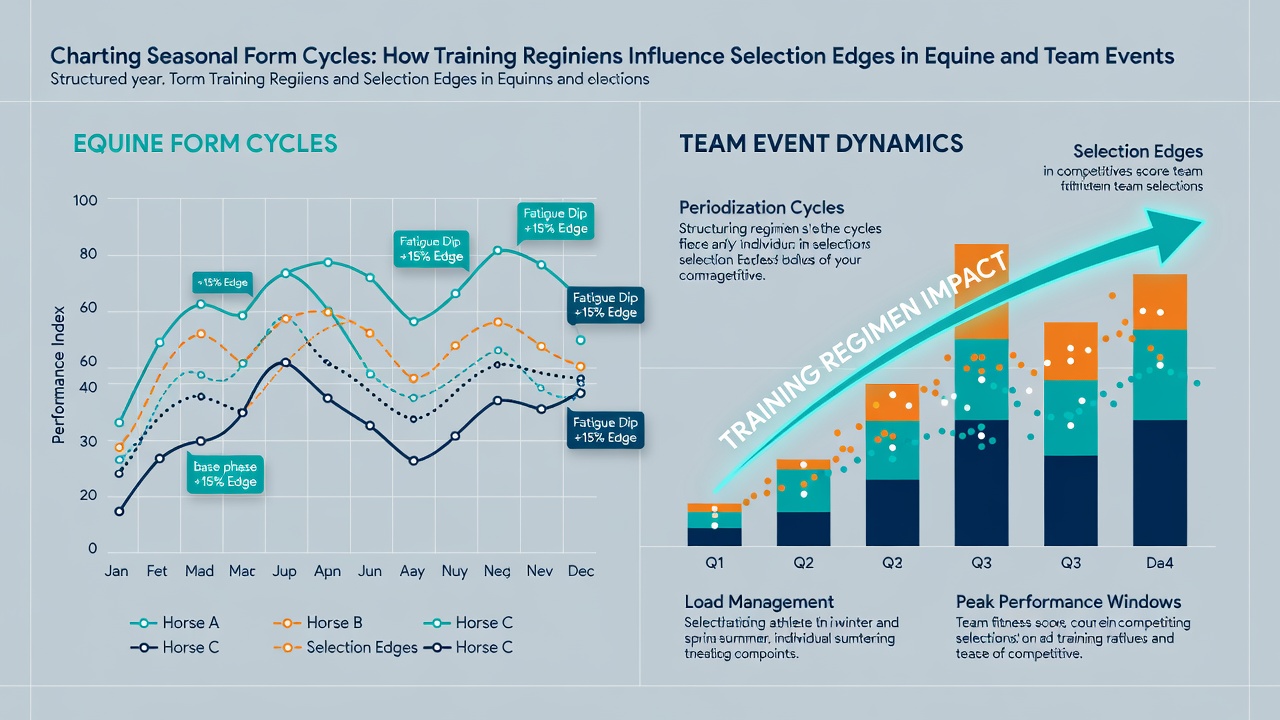
What's notable is how these cycles intersect with environmental factors such as weather shifts and travel demands, because teams that calibrate loads accordingly often sustain advantages longer into extended seasons. Figures released by the Canadian Sport Institute Pacific demonstrate that athletes following tapered training approaches before major tournaments exhibit superior output metrics in the weeks immediately following those tapers, mirroring patterns long observed in equine cohorts.
Data-Driven Selection Advantages
Selection edges arise when analysts combine training history with seasonal benchmarks, and reports from Racing New South Wales illustrate how horses returning from structured rest periods outperform expectations during targeted windows. In team contexts, organizations monitoring GPS-tracked workloads gain similar foresight because cumulative fatigue data predicts when squads will either surge or dip. Those who integrate both equine and team datasets frequently uncover overlapping principles, since both domains rely on recovery timing as the decisive variable separating sustained performance from regression.
Evidence accumulated through longitudinal studies confirms that deviations from established training norms disrupt these cycles, leading to unpredictable results that erode any prior selection advantage. Consequently, consistent monitoring of regimen adherence provides a factual basis for anticipating outcomes across both equine and team competitions.
Conclusion
Seasonal form cycles in equine and team events remain governed by the measurable impact of training regimens, with available performance data underscoring how periodization creates repeatable edges for informed observers. Patterns documented through 2026 continue to validate these relationships, offering objective frameworks for understanding when and why certain competitors gain advantages at specific points in the calendar.