Analyzing Travel Fatigue Impacts on Away Results in Multi-Continent Athletic Leagues
Ulrich Keller · Aug 31, 2026
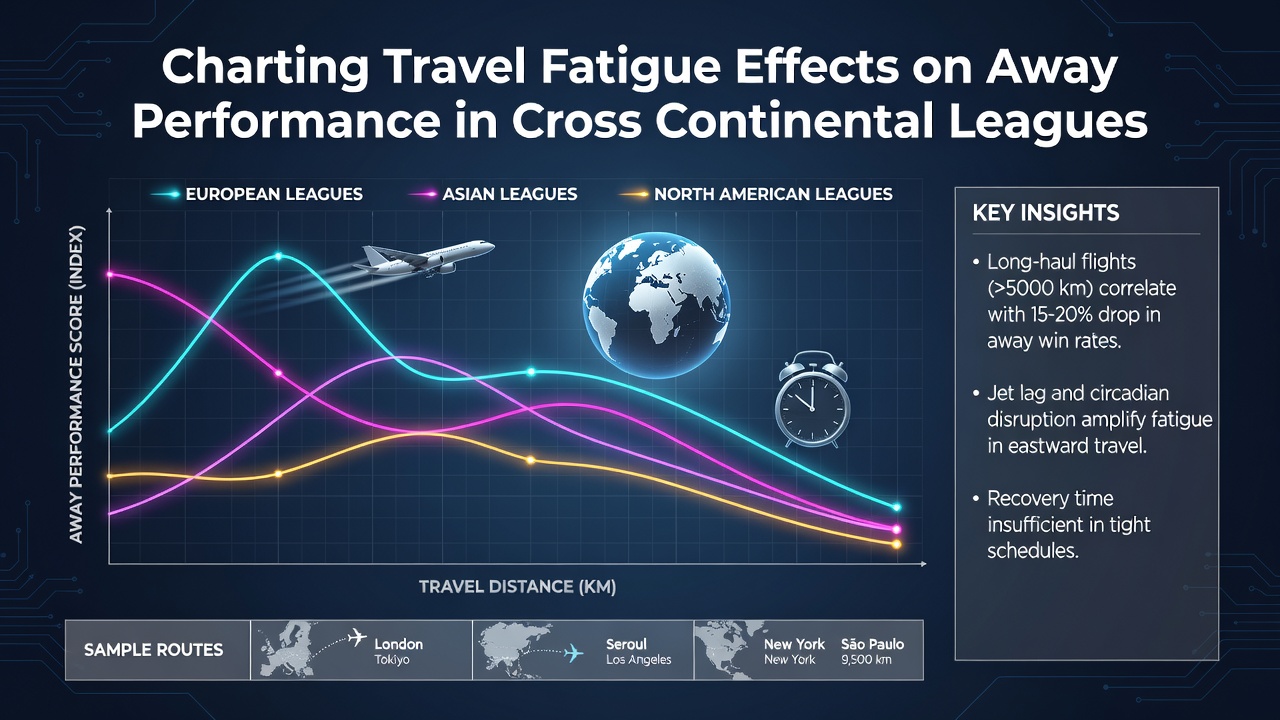
Analyzing Travel Fatigue Impacts on Away Results in Multi-Continent Athletic Leagues
Long-distance travel across time zones creates measurable disruptions in athlete recovery and game outcomes according to multiple sports science datasets and league performance records. Teams moving between continents encounter circadian rhythm shifts that reduce reaction times and alter sleep patterns while physical conditioning suffers from cumulative fatigue built up over 12 to 18 hour journeys. Data collected from competitions spanning Europe, North America, and Asia shows consistent patterns where visiting squads post lower win percentages and higher injury rates during the initial 48 hours after arrival.
Physiological Responses Documented in Cross-Continental Travel
Researchers tracking heart rate variability and cortisol levels report elevated stress markers in players who cross five or more time zones within 24 hours. These changes compound when eastbound flights shorten the day and compress sleep windows whereas westbound routes extend recovery periods yet still leave residual effects on neuromuscular function. Studies from institutions in both hemispheres confirm that muscle glycogen replenishment slows under jet lag conditions and decision-making accuracy declines by measurable margins in the first two days post-travel.
Coaches and medical staff now monitor sleep trackers and schedule light exposure protocols to offset some of these deficits yet complete mitigation remains elusive when fixtures pile up across different continents. Performance analysts note that teams arriving less than 72 hours before tip-off or kickoff exhibit statistically lower points scored per possession and reduced defensive efficiency ratings compared with squads granted longer acclimatization windows.
League-Wide Statistics and Seasonal Trends
Records from major competitions that schedule regular intercontinental matchups reveal that away win rates drop between 8 and 14 percent when travel exceeds 6,000 kilometers. European basketball clubs traveling to North American summer tournaments in August 2026 demonstrated similar patterns with reduced three-point shooting percentages and increased turnover counts during opening games. Comparable figures appear in soccer data where Champions League participants crossing the Atlantic show elevated distances covered at lower intensities and fewer high-speed sprints in the first half.
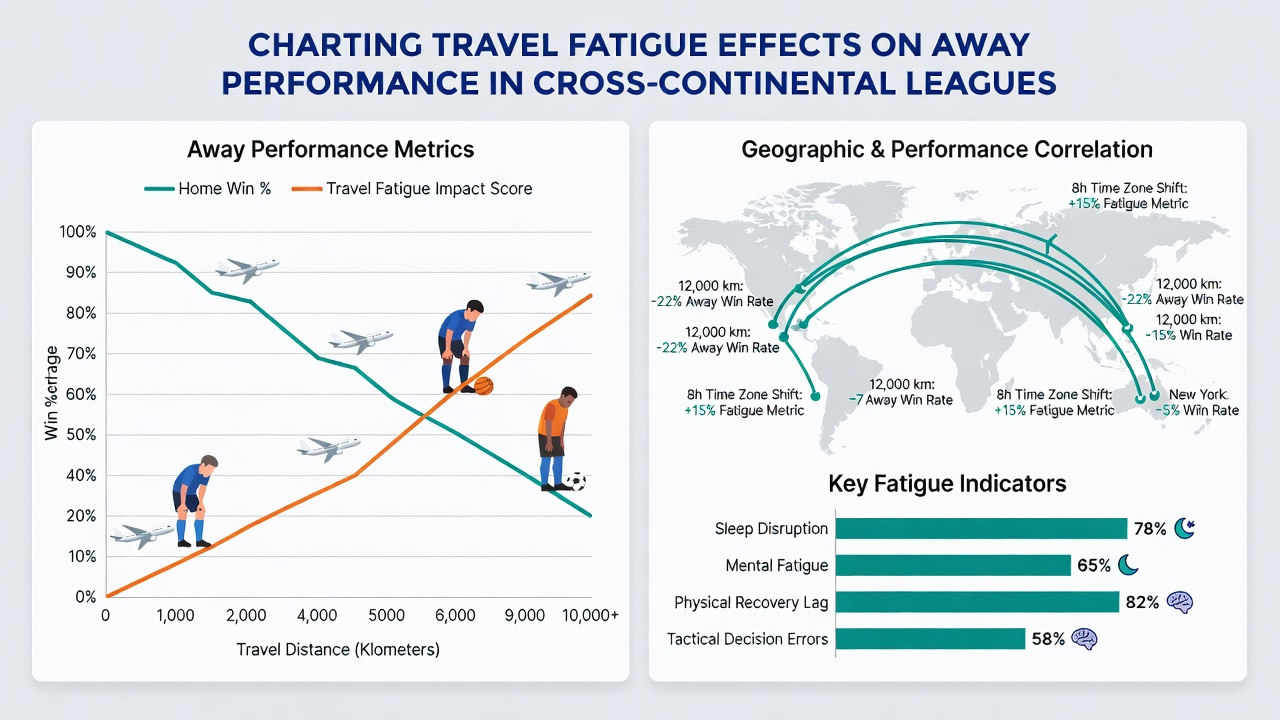
Seasonal breakdowns further illustrate that clubs with multiple cross-continental trips within a four-week span accumulate greater performance decrements than those managing single long-haul journeys. Analysts compiling box score data across several campaigns observe that rebounding margins and set-piece conversion rates suffer most noticeably while passing accuracy holds steadier because cognitive load varies by task complexity. These granular metrics help explain why certain teams maintain competitive edges despite travel demands and others experience sharper declines.
Strategic Adjustments Adopted by Coaching Staffs
Organizations have introduced phased arrival schedules and adjusted training loads to counteract documented fatigue effects. Some squads now fly in business-class configurations that allow better sleep positioning while others charter direct routes that eliminate layovers and reduce total journey time. Nutrition timing receives equal attention because meal schedules misaligned with destination time zones further disrupt metabolic recovery according to sports dietitians working with elite programs.
Opposing teams sometimes exploit these windows by pressing early or increasing defensive intensity knowing visiting players may operate below peak alertness. Video review sessions and mental skills training help athletes prepare for these scenarios yet physiological limits still constrain full compensation. Data from the 2025-2026 seasons indicates that clubs investing in dedicated travel science departments record modestly better away results than peers without such resources although margins remain narrow across large sample sizes.
Conclusion
Performance databases continue to expand as more leagues schedule fixtures across continents and researchers gain access to larger longitudinal datasets. Patterns linking travel distance, time zone changes, and away outcomes now guide scheduling committees and medical protocols alike. Teams that integrate recovery science into travel planning demonstrate measurable resilience while those that overlook these factors face predictable performance shortfalls in the critical early windows after arrival. Ongoing monitoring through wearables and game analytics will likely refine these insights further as competitions evolve.