21 Jun 2026
Altitude Effects on Fixture Outcomes Reshape Line Shopping Tactics for Altitude-Sensitive Squads
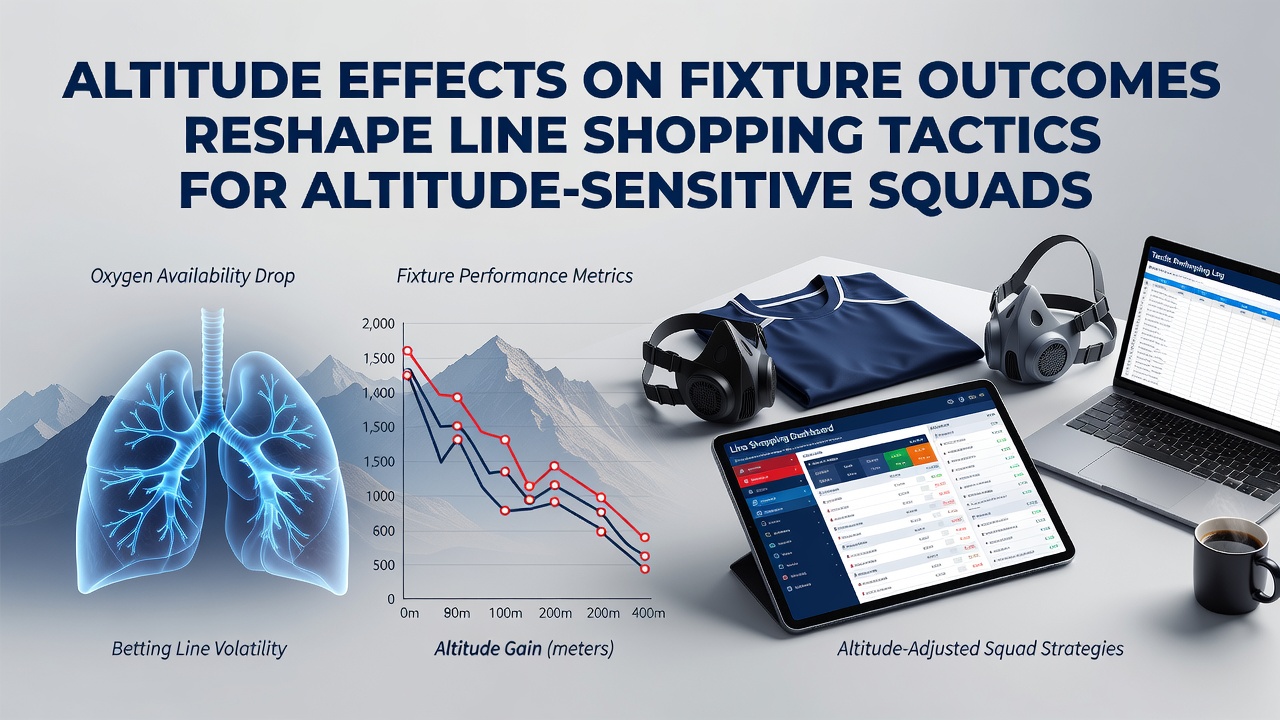
High-altitude venues continue to alter match dynamics in professional soccer leagues across multiple continents, and researchers track these shifts through performance metrics that feed directly into betting market adjustments. Teams traveling from sea-level bases often experience reduced oxygen uptake which leads to measurable drops in sprint frequency and recovery times between high-intensity efforts according to physiological studies conducted over the past decade. Observers note that these changes appear most pronounced in fixtures scheduled at elevations above 2,000 meters where visiting squads record lower possession retention rates and fewer shots on target compared to their home performances at lower elevations.
Data compiled from South American competitions shows visiting teams concede goals at higher rates during the first 30 minutes of play when matches occur in cities such as La Paz or Quito. This pattern emerges because acclimatization periods remain limited under tight travel schedules, and analysts examine historical results to quantify the exact impact on expected goal differentials. Line makers respond by widening spreads or adjusting totals accordingly while bettors who monitor multiple sportsbooks gain opportunities to identify discrepancies before markets fully incorporate the altitude variable.
Physiological Responses and Performance Data
Medical researchers at institutions in North America and Europe document how reduced atmospheric pressure affects muscle oxygenation and decision-making speed during prolonged physical exertion. Studies from the University of Calgary highlight that players unaccustomed to thin air display elevated heart rates and increased lactate accumulation even when total distance covered stays similar to sea-level matches. These findings receive support from match-tracking systems that log decreased high-speed running distances for non-acclimated athletes in real-time during international qualifiers.
League-wide statistics reveal consistent trends where home teams at altitude venues achieve win percentages that exceed their season averages by margins ranging from 8 to 15 percent in certain competitions. Australian sports scientists have contributed comparative analyses involving similar conditions in other endurance sports which further validate the soccer-specific observations. Bettors incorporate these quantified edges when evaluating props related to total goals or individual player output because the data points directly influence over-under calculations at different sportsbooks.
Market Adjustments and Line Shopping Approaches

Bookmakers maintain internal models that factor altitude history into pre-match pricing yet variations persist across different operators particularly when one platform updates its lines faster than competitors. This creates windows where line shoppers can secure better numbers on totals or spreads for squads known to struggle away from their base elevation. Research published through the Canadian Olympic Committee emphasizes that recovery windows of less than 48 hours amplify these effects which explains why certain midweek fixtures produce outlier results that deviate from broader trends.
People who follow fixture schedules note that squads with recent altitude exposure sometimes maintain or even improve their metrics while those arriving directly from lower elevations face steeper challenges. This distinction prompts careful examination of team itineraries before committing to wagers and leads to selective shopping across exchanges and traditional books to capture the most favorable pricing on both sides of the market. Figures from European leagues that occasionally schedule matches in mountainous regions demonstrate similar patterns though the sample sizes remain smaller than those available from Andean competitions.
Strategic Considerations for Upcoming Schedules
Fixtures set for June 2026 include several high-profile encounters at notable elevations which analysts already project will influence early market movements once team selections become available. Those monitoring roster announcements watch for inclusion of players with documented altitude experience because such selections correlate with improved team outputs in past cycles. External data sources including performance reports from the International Olympic Committee provide additional context on how national teams prepare for these conditions through pre-tournament training camps.
Line movement tracking reveals that markets sometimes overreact to recent results at altitude which opens value opportunities for disciplined shoppers who compare closing lines against opening numbers across multiple platforms. The approach requires attention to timing because updates often occur in staggered fashion depending on the volume of sharp action received by each operator. Observers tracking these flows identify that early lines frequently offer the widest discrepancies before consensus pricing takes hold later in the week.
Conclusion
Altitude continues to function as a measurable variable that reshapes both on-field outcomes and the way bettors approach line selection for affected squads. Comprehensive data sets from multiple regions confirm the physiological basis for performance variations while market behavior demonstrates how these factors translate into actionable differences across betting platforms. Those who integrate travel histories, acclimatization timelines, and cross-book comparisons position themselves to navigate the adjustments that arise whenever fixtures move to elevated venues.